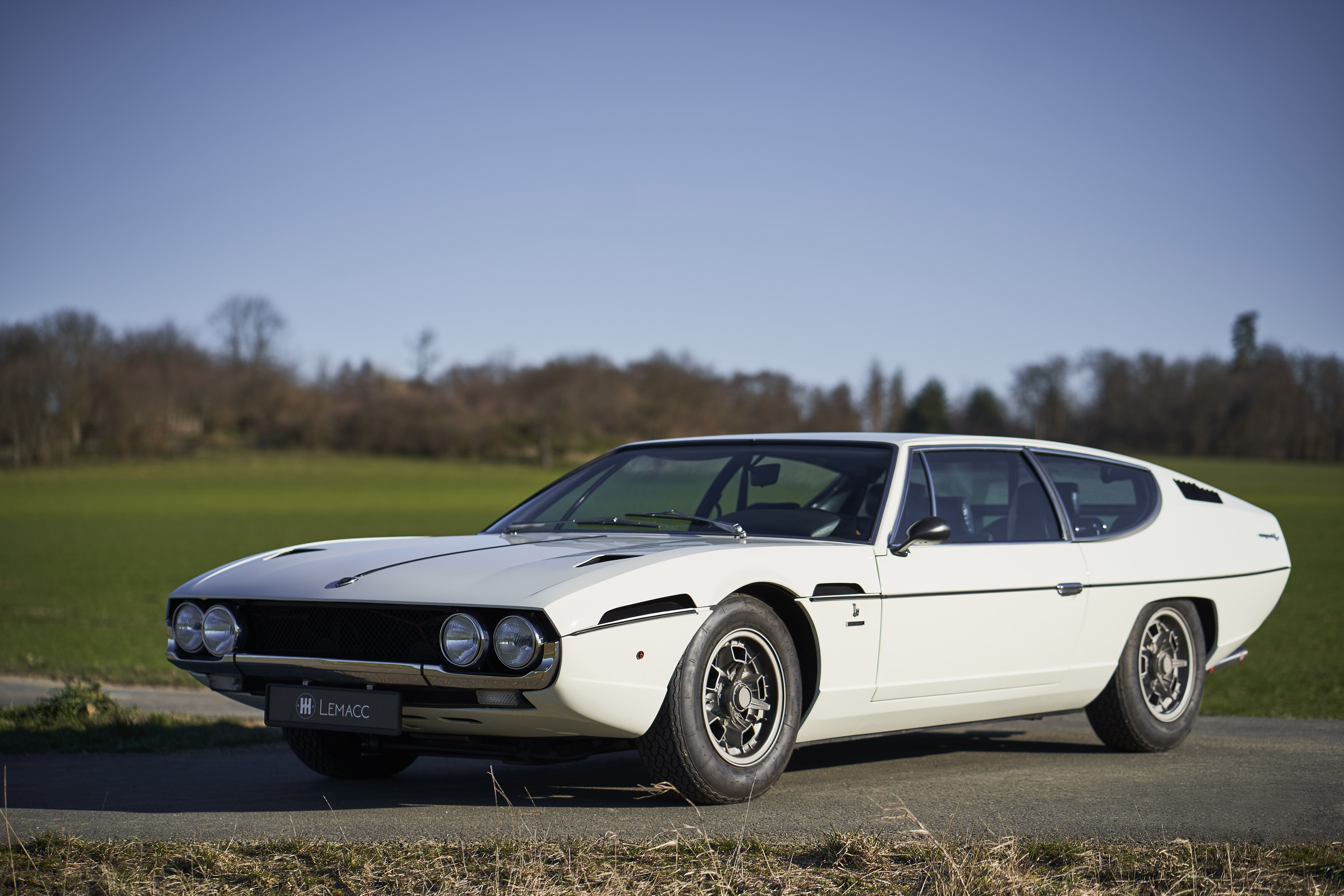
1970 Lamborghini Espada SII
1970 Lamborghini Espada SII
Facts
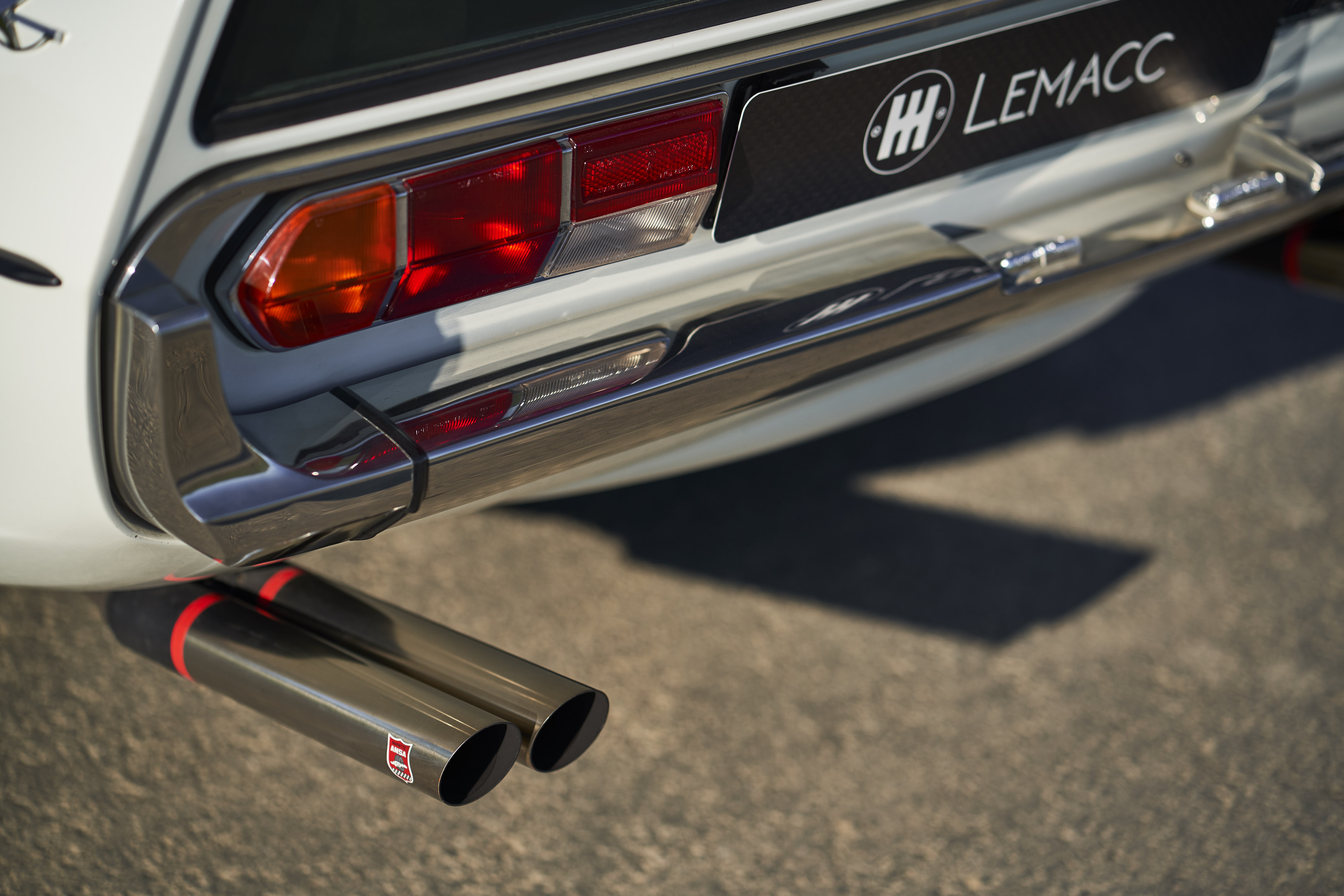
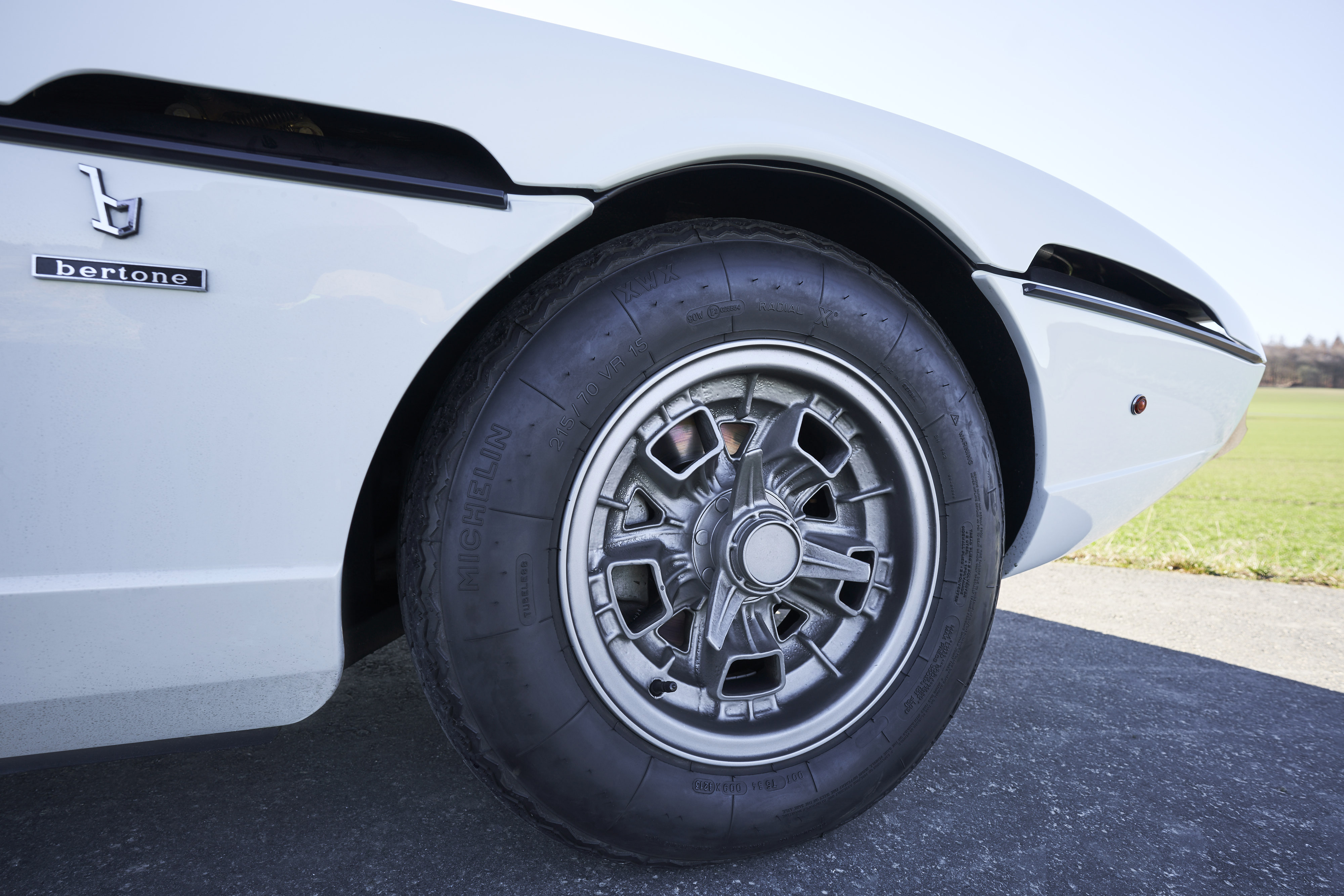
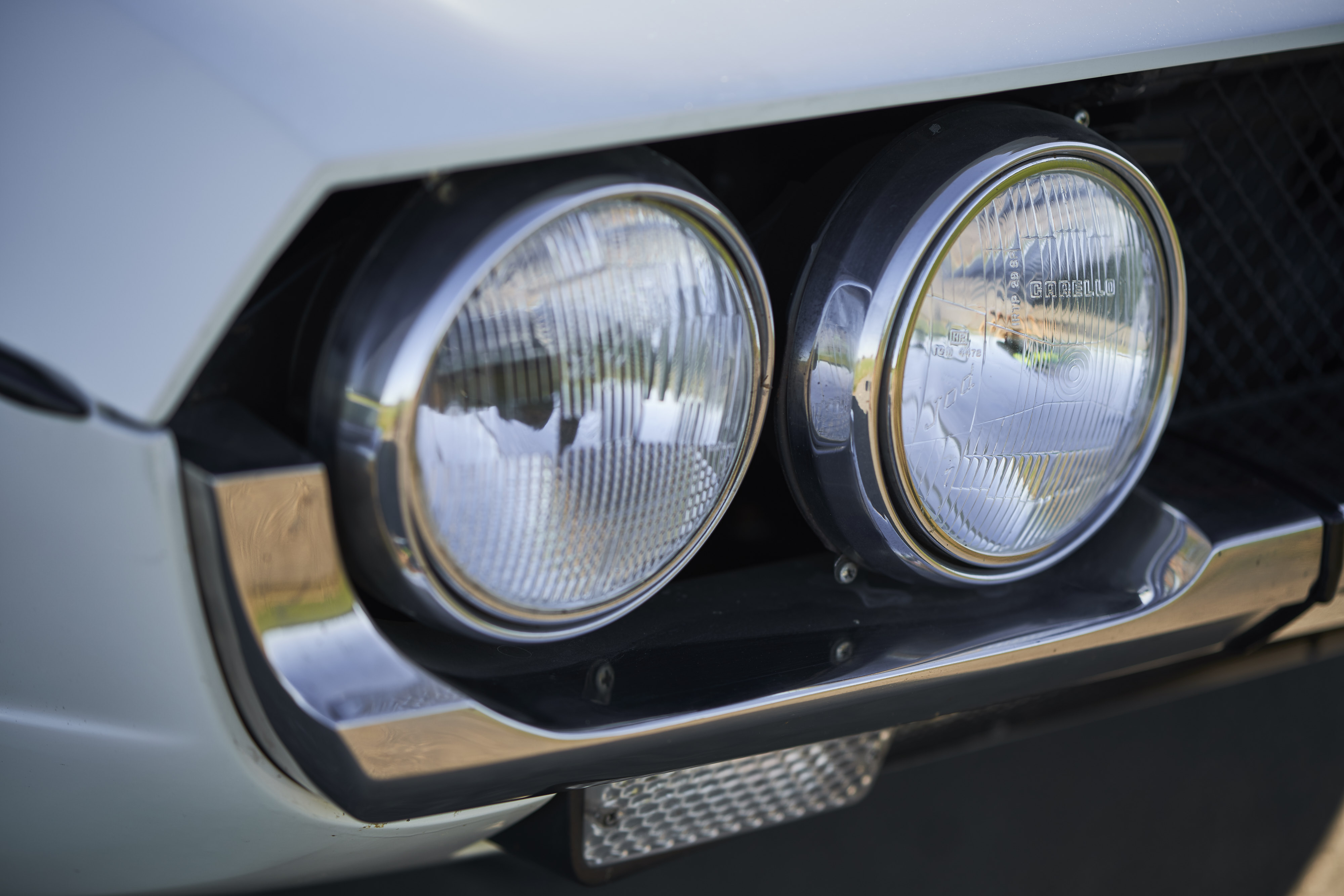
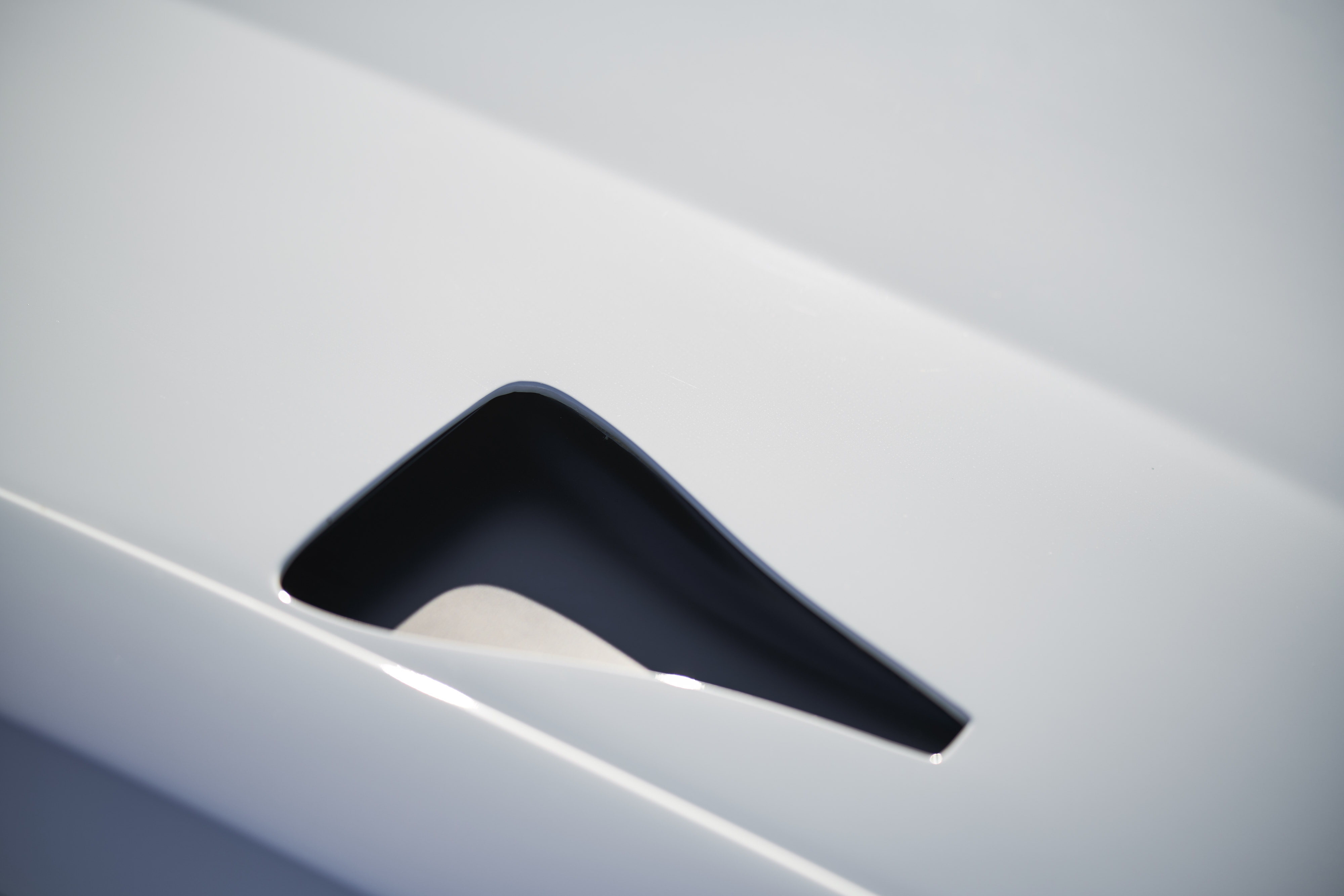
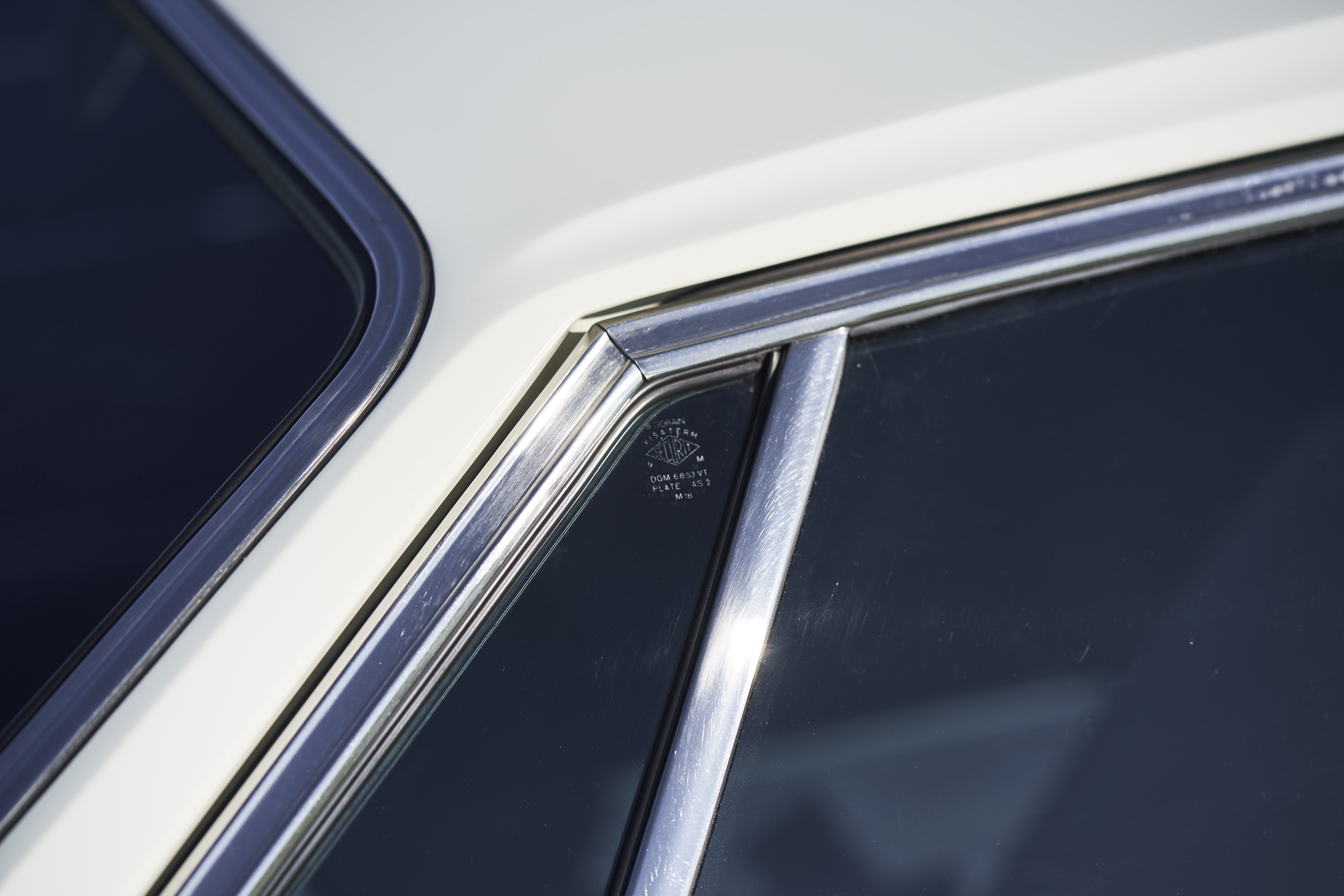
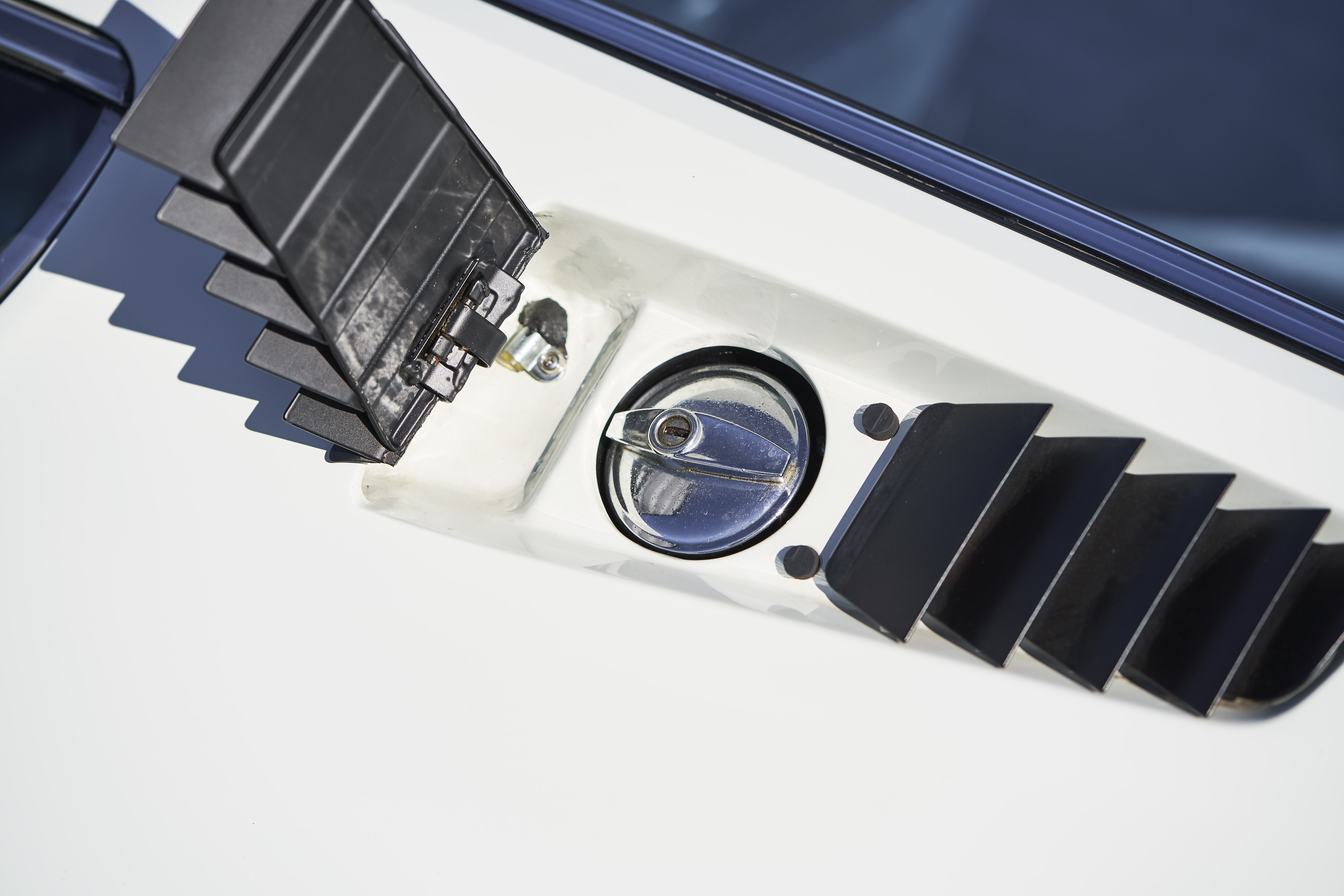
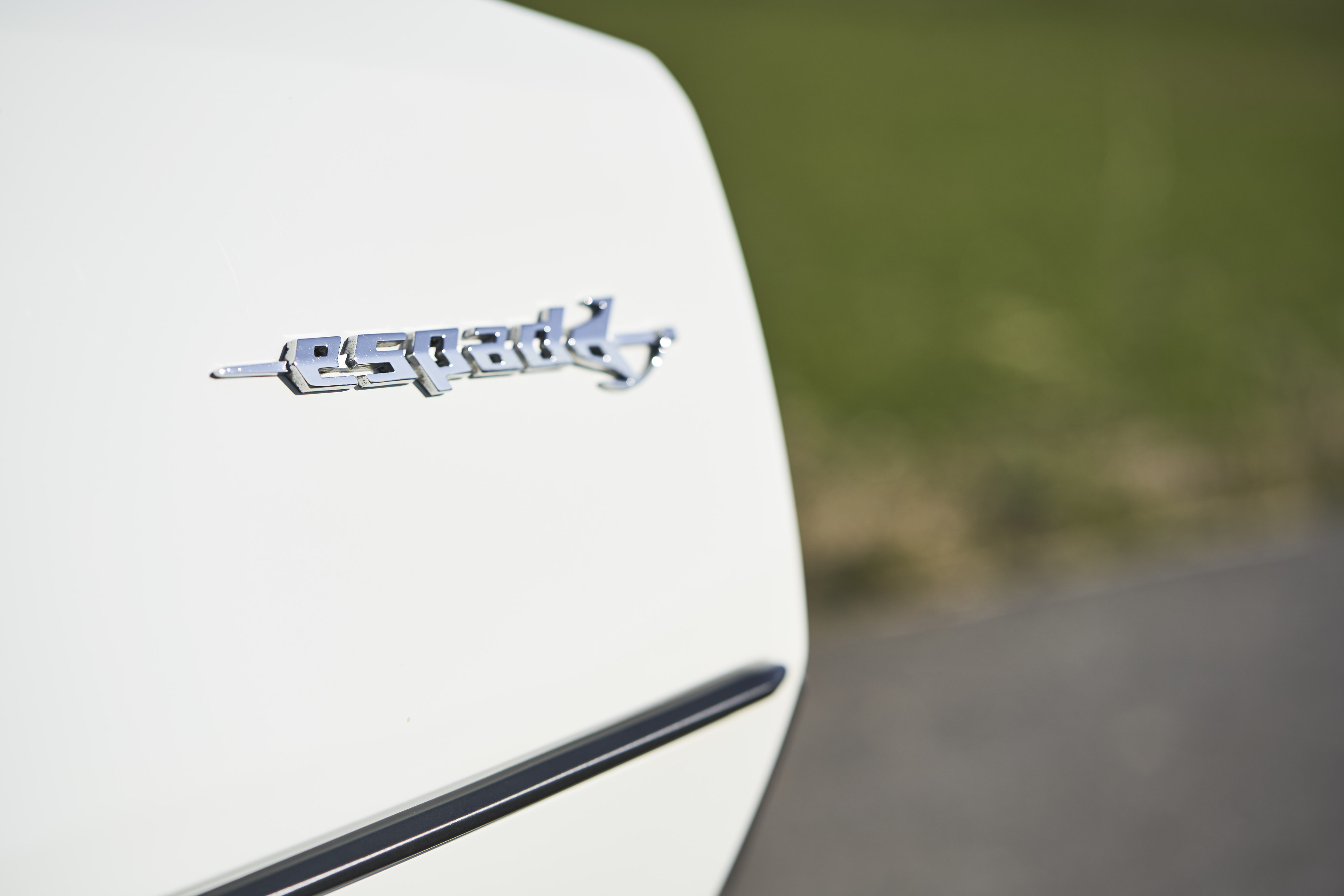
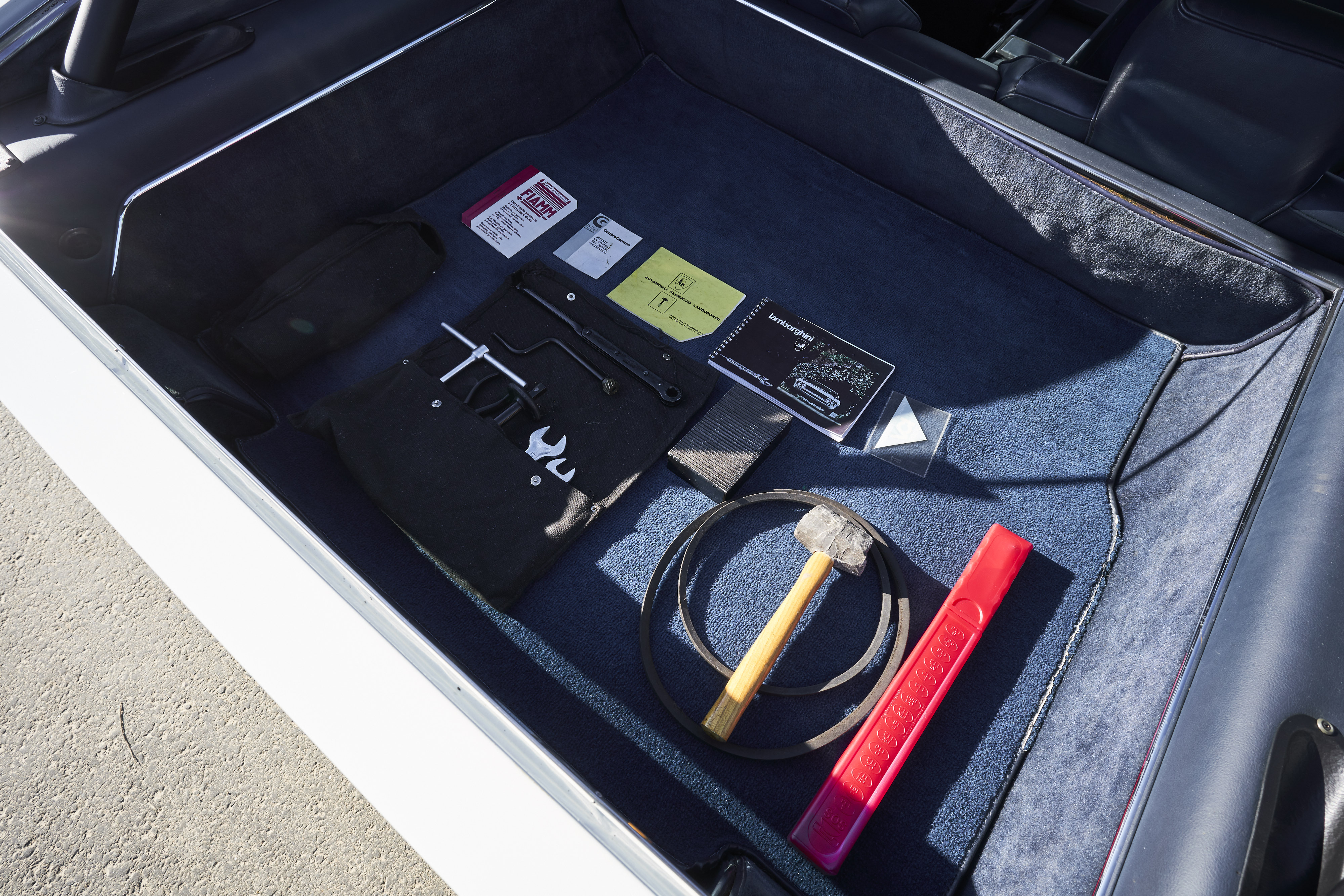
Description
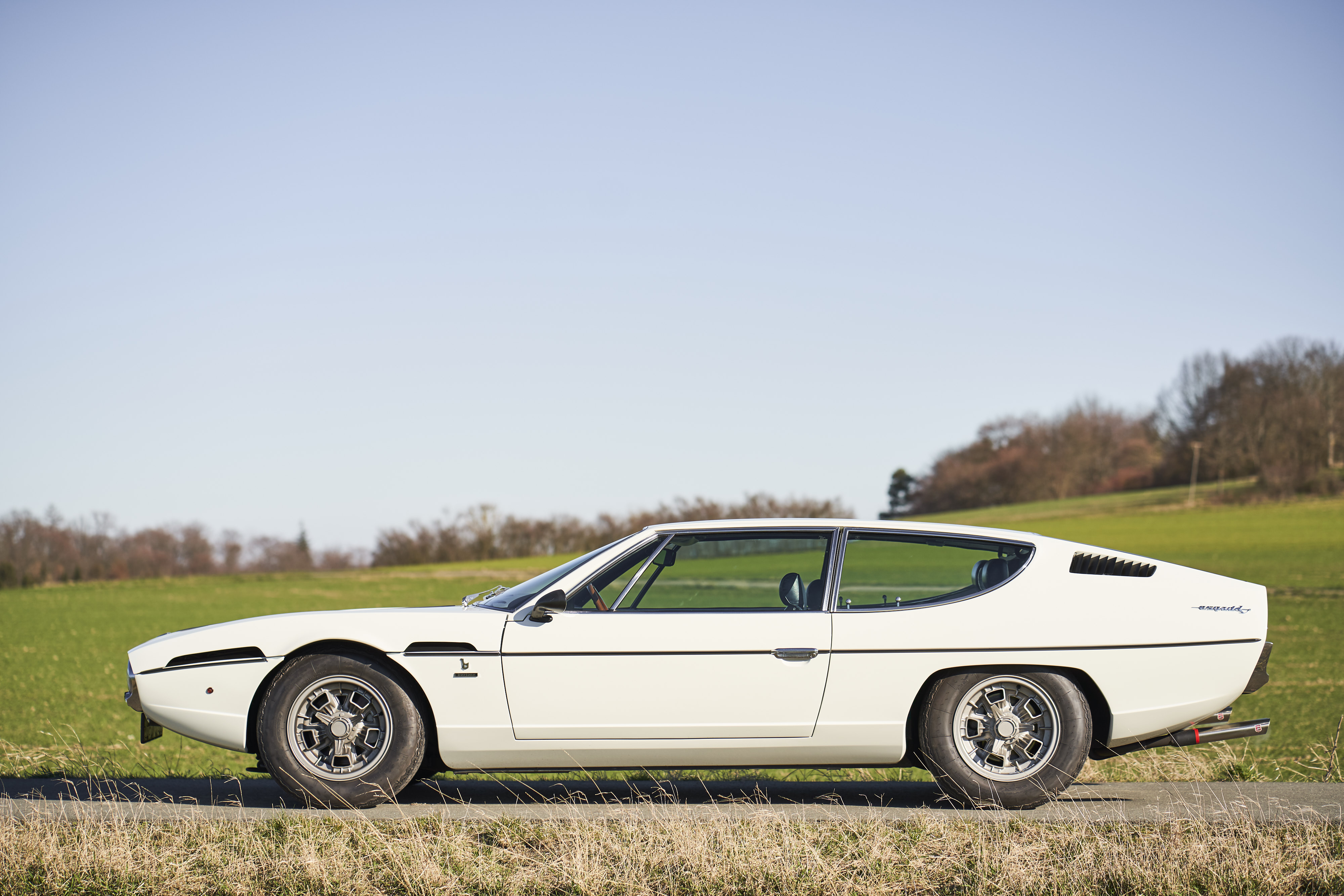
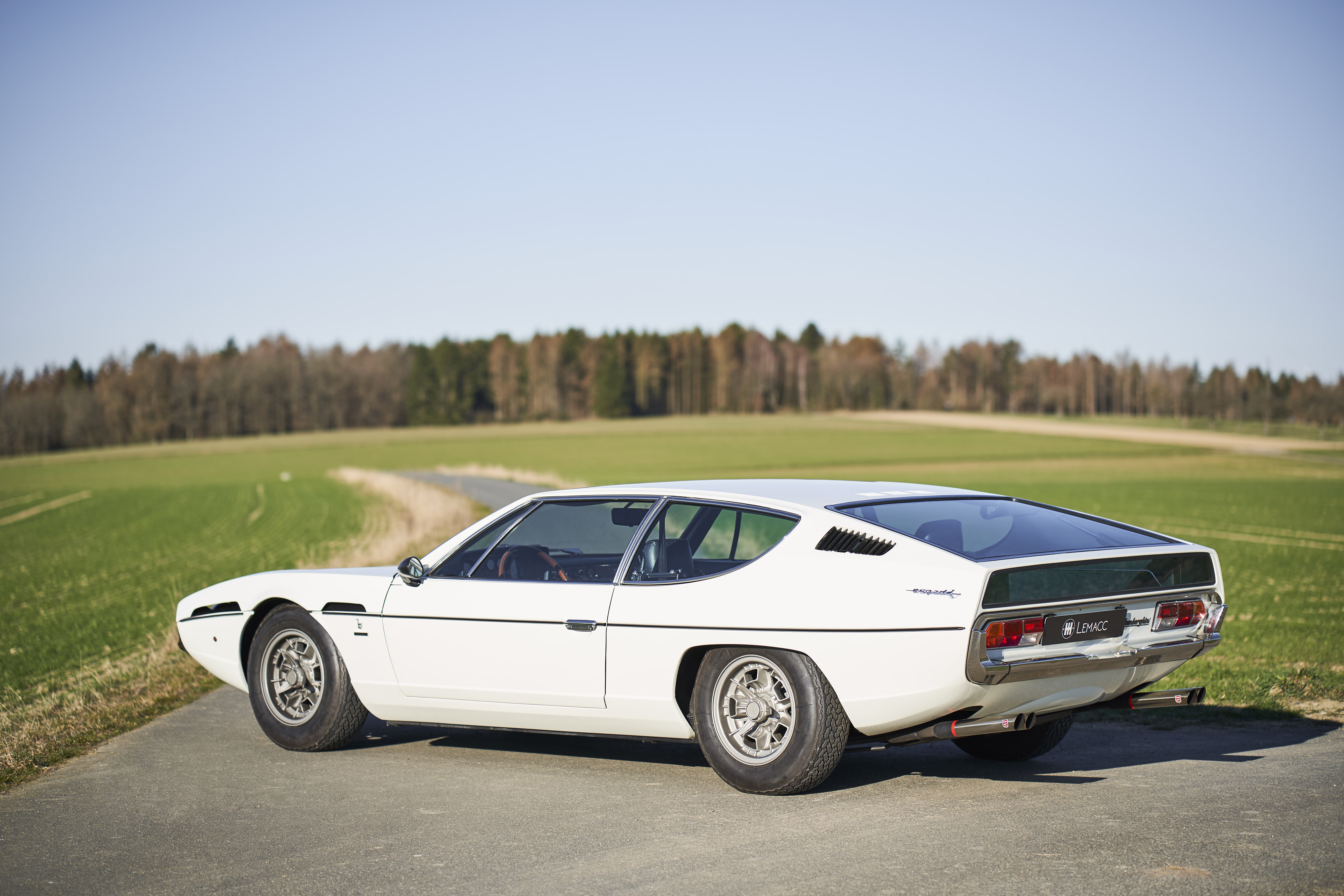
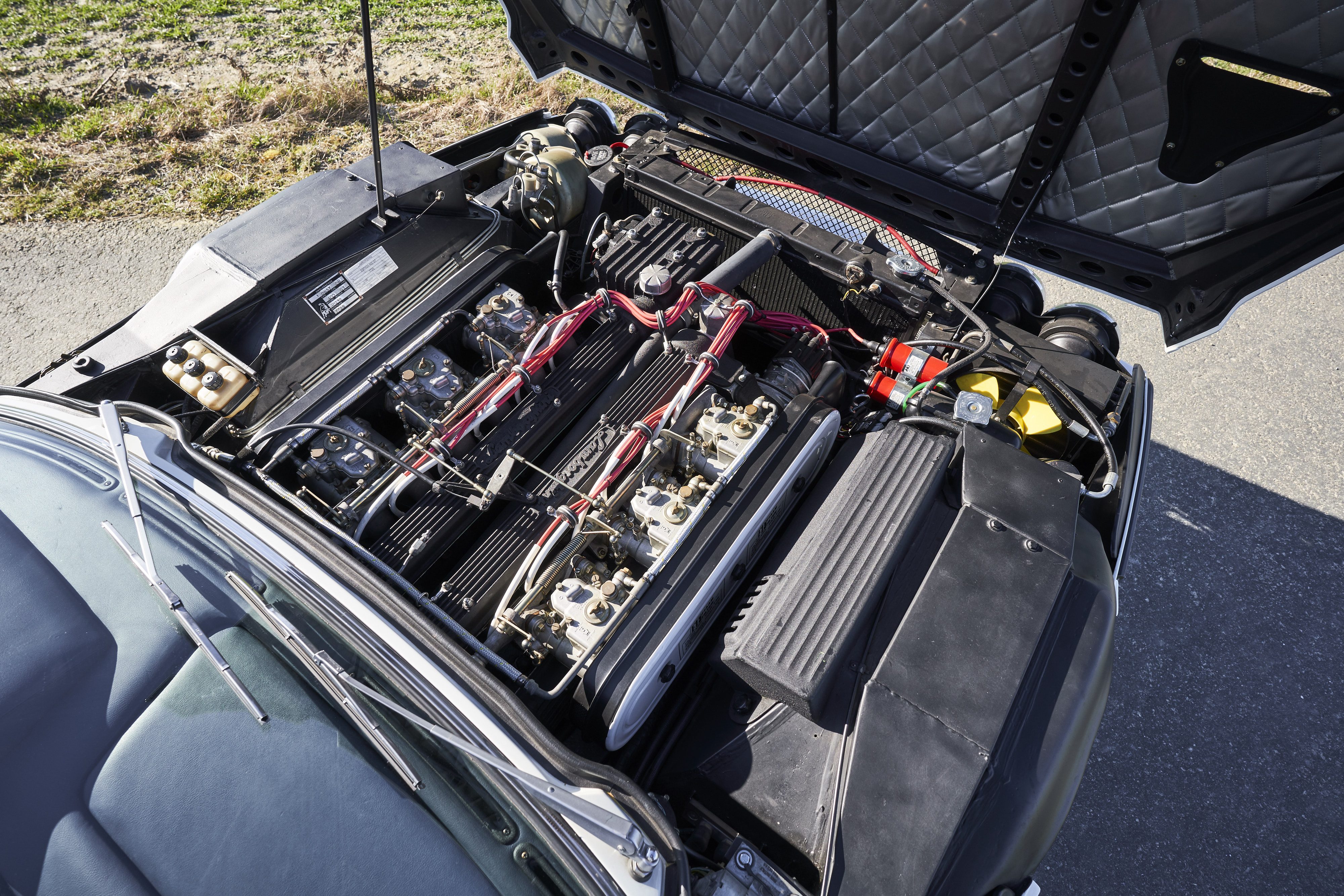
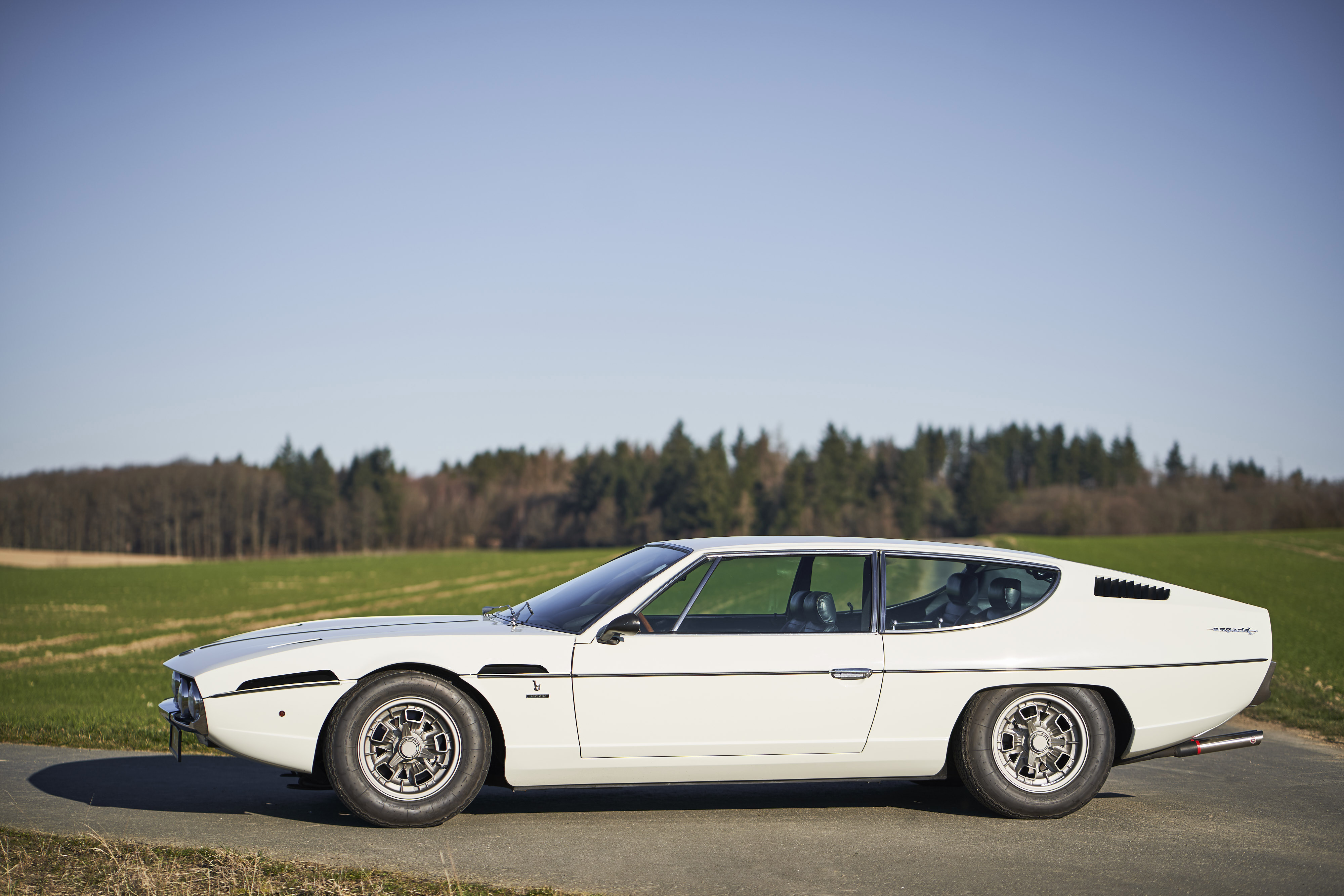
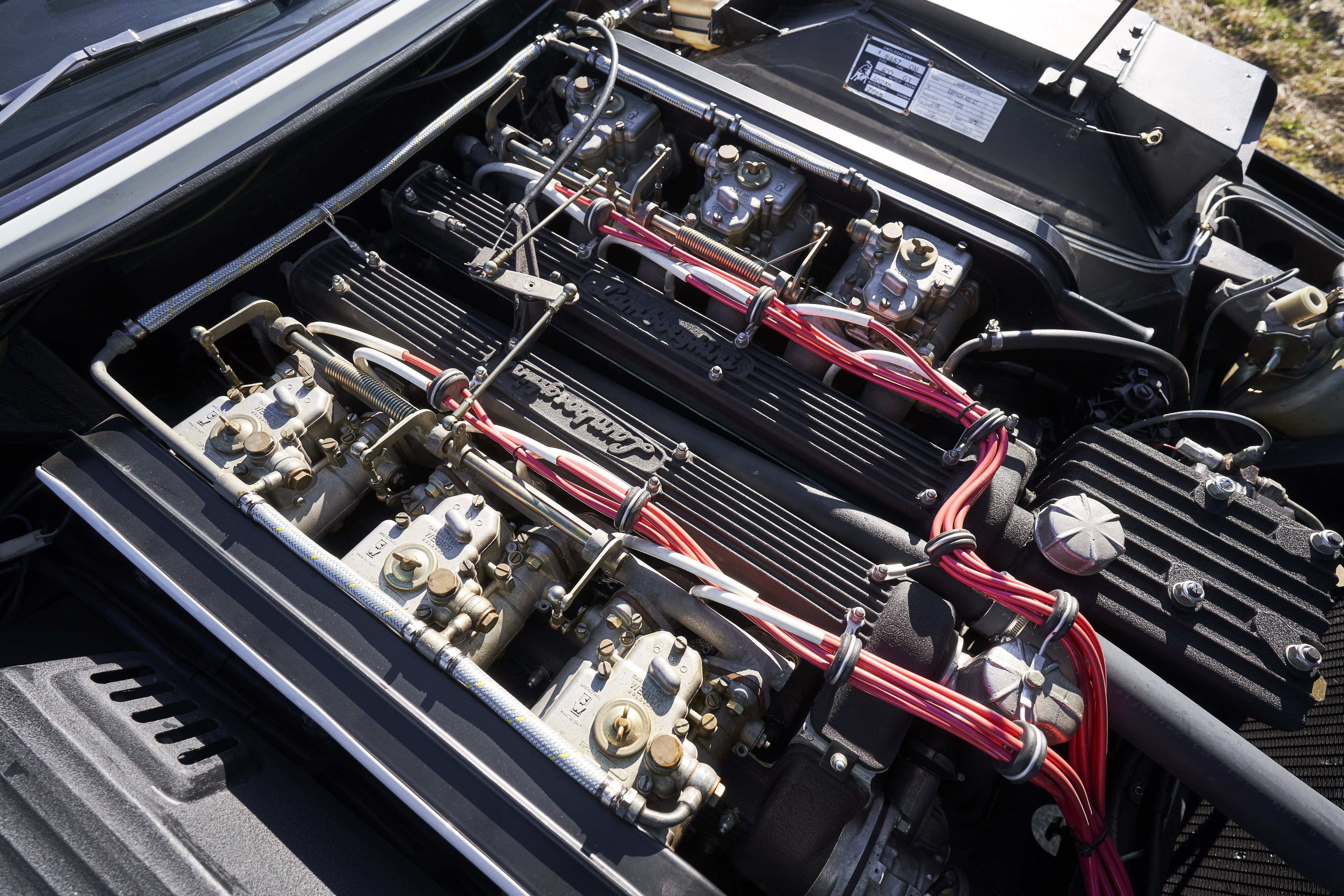
Building on the success of the Miura, Lamborghini tackled a new challenge - to produce a four-seater "supercar" that would combine sportiness and roominess. The first signal of this intent appeared at the 1967 edition of the Geneva Motor Show with the Marzal, the work of Marcello Gandini, a recent recruit at Bertone. At the Geneva Motor Show of 1968, Lamborghini unveiled the Espada which made the press enthusiastic about the concept, a sporty, fully-fledged four-seater with ample luggage space, in addition with a 3.9L V12 engine was a sensation back then. The Spanish name Espada means sword, referring to the sword that the torero uses to kill the bull in the corrida.
During the production between 1968 and 1978 the Espada underwent some changes, and three different series were produced. These were the S1 (1968–1970), the S2 (1970–1972) and the S3 (1972–1978). Each model featured interior redesigns, minor mechanical improvements and minor exterior changes. 1217 Espadas were made, making it the most numerous and longest-running Lamborghini model until the expansion of Countach production in the mid-1980s
This Motor Car
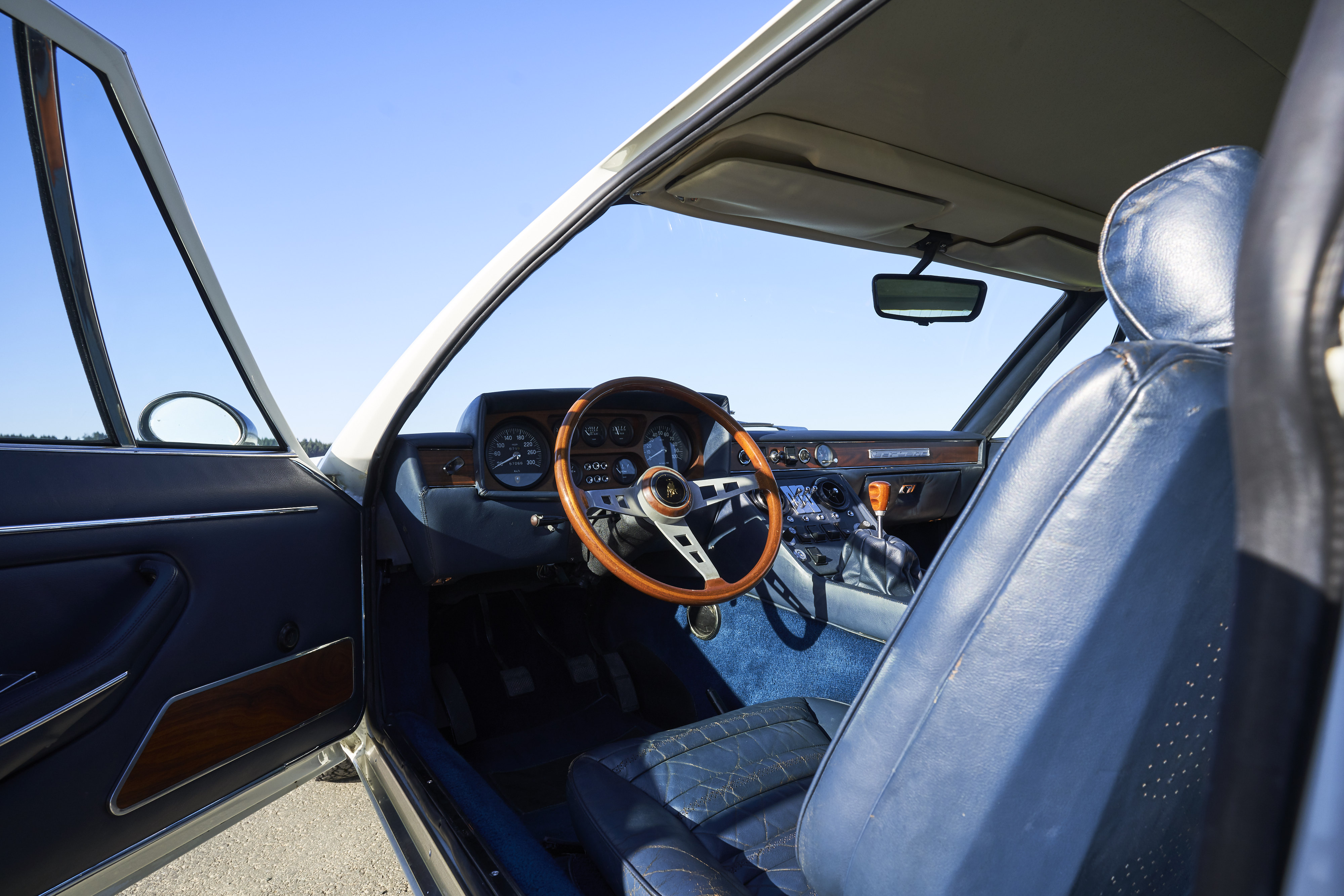
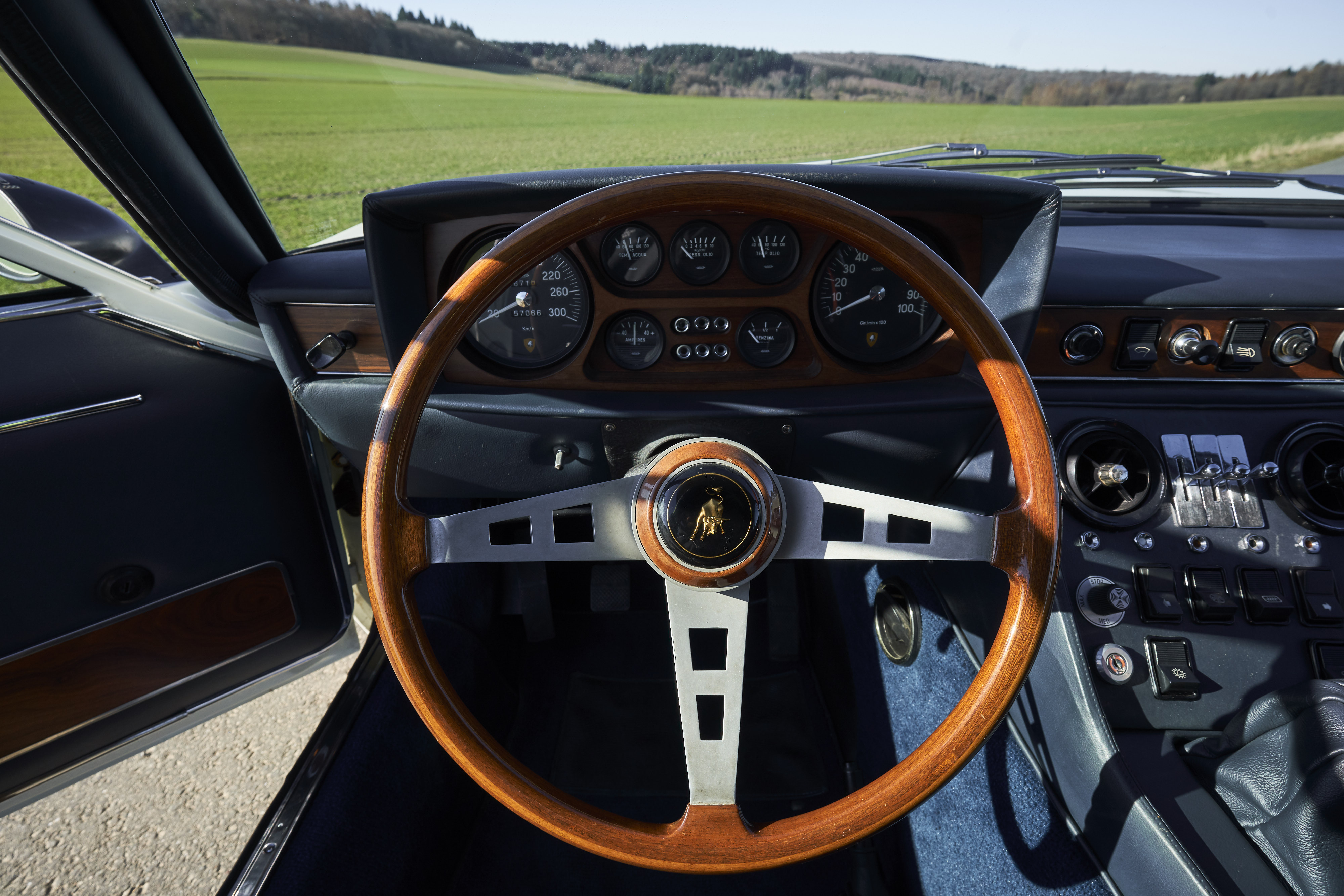
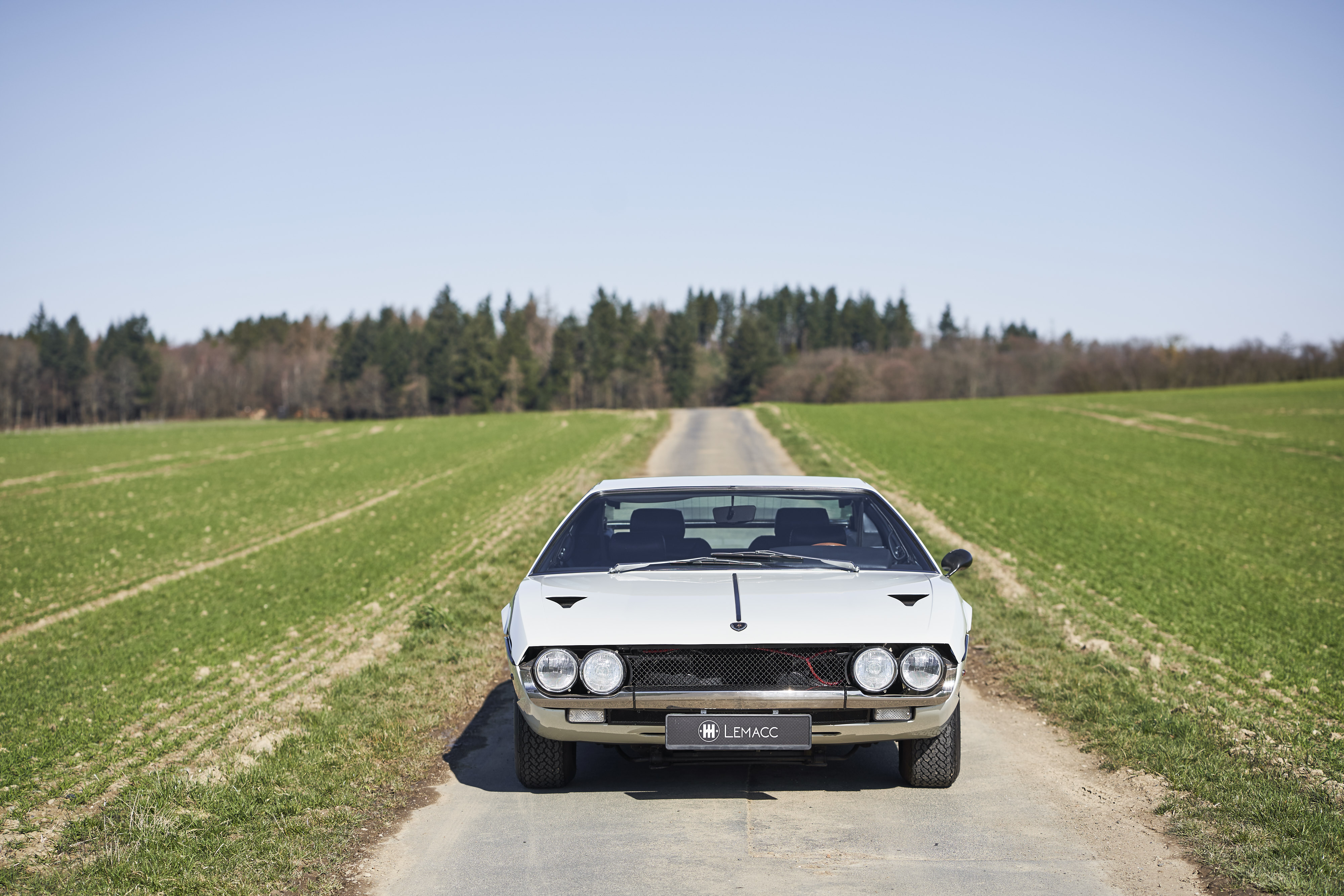
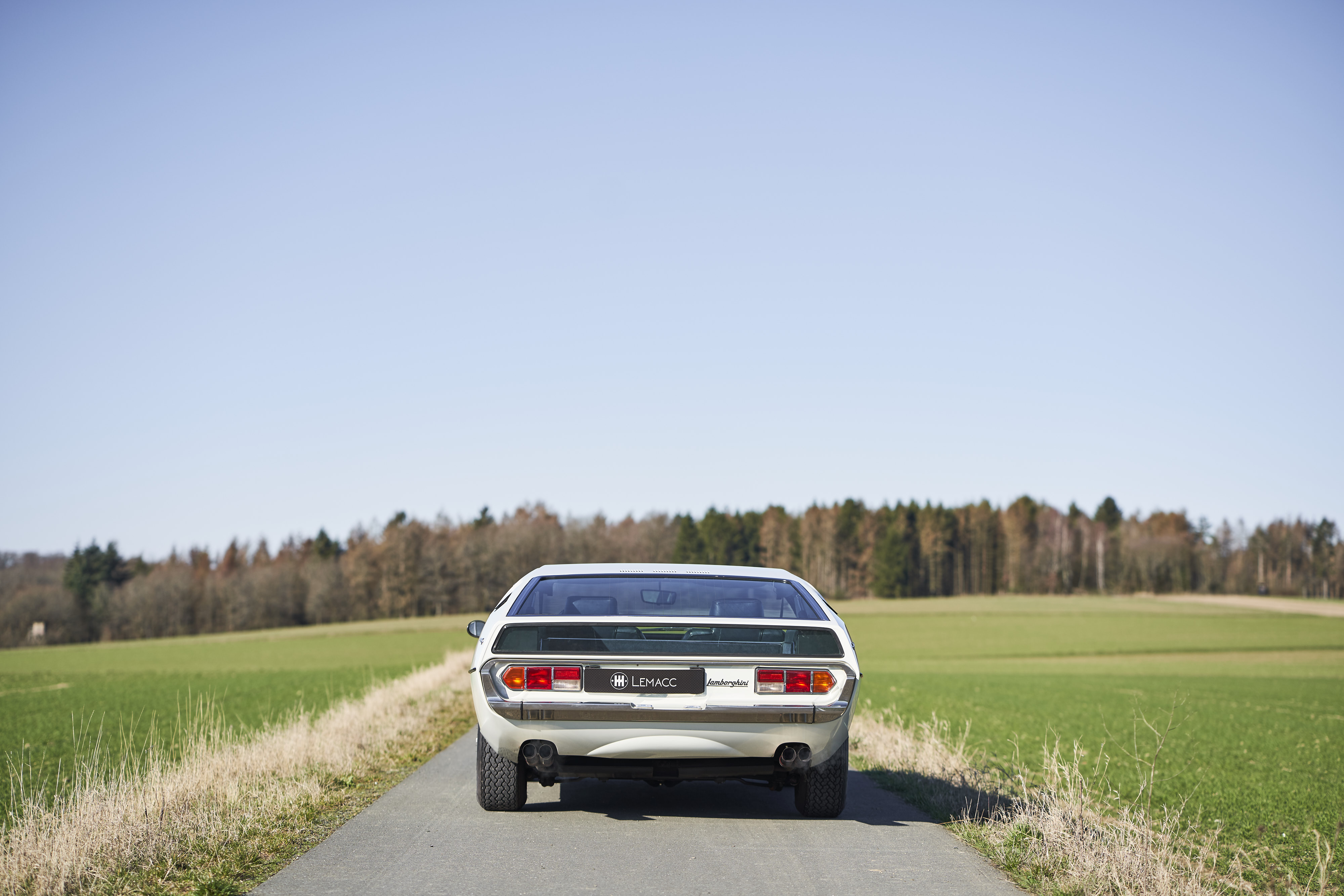
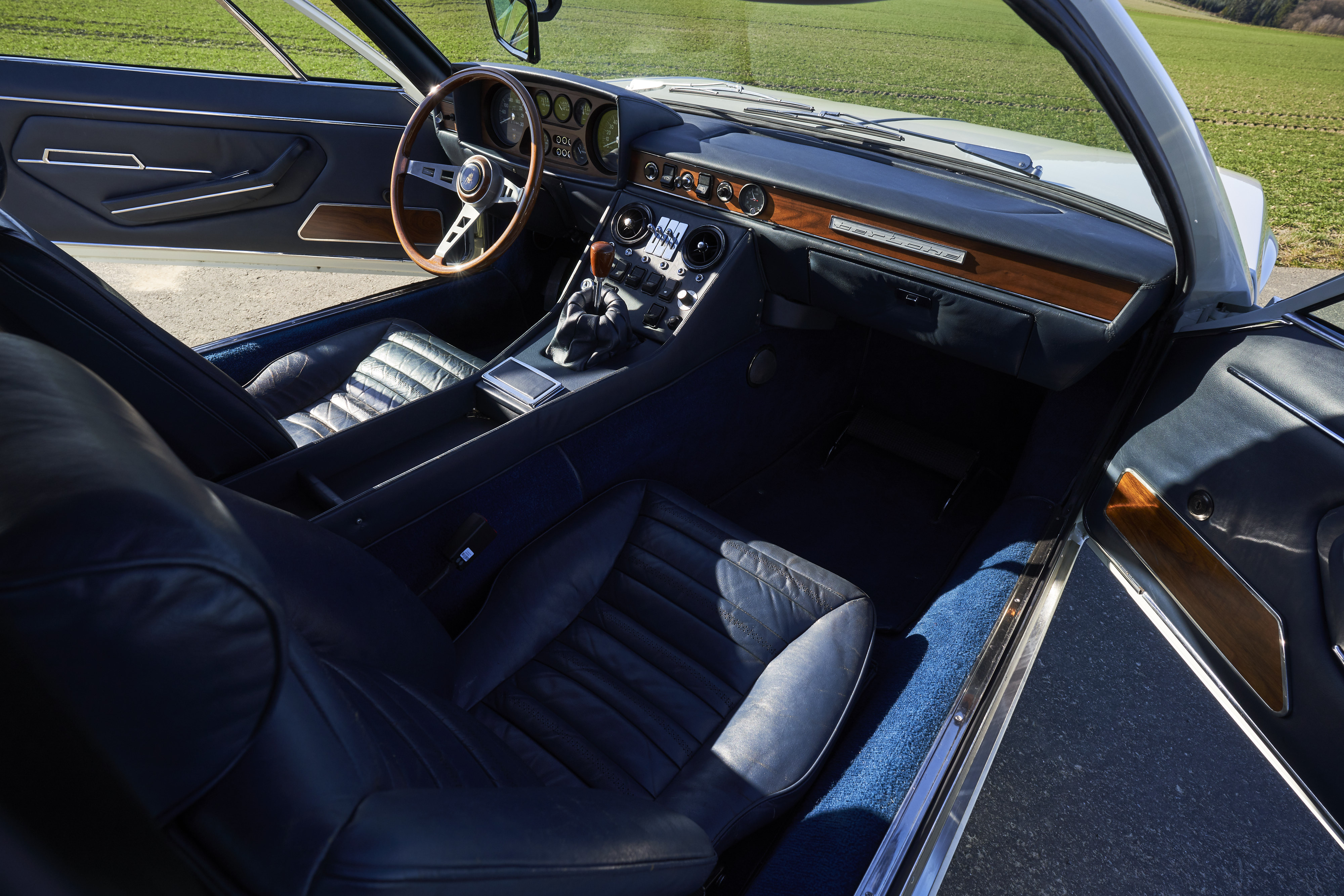
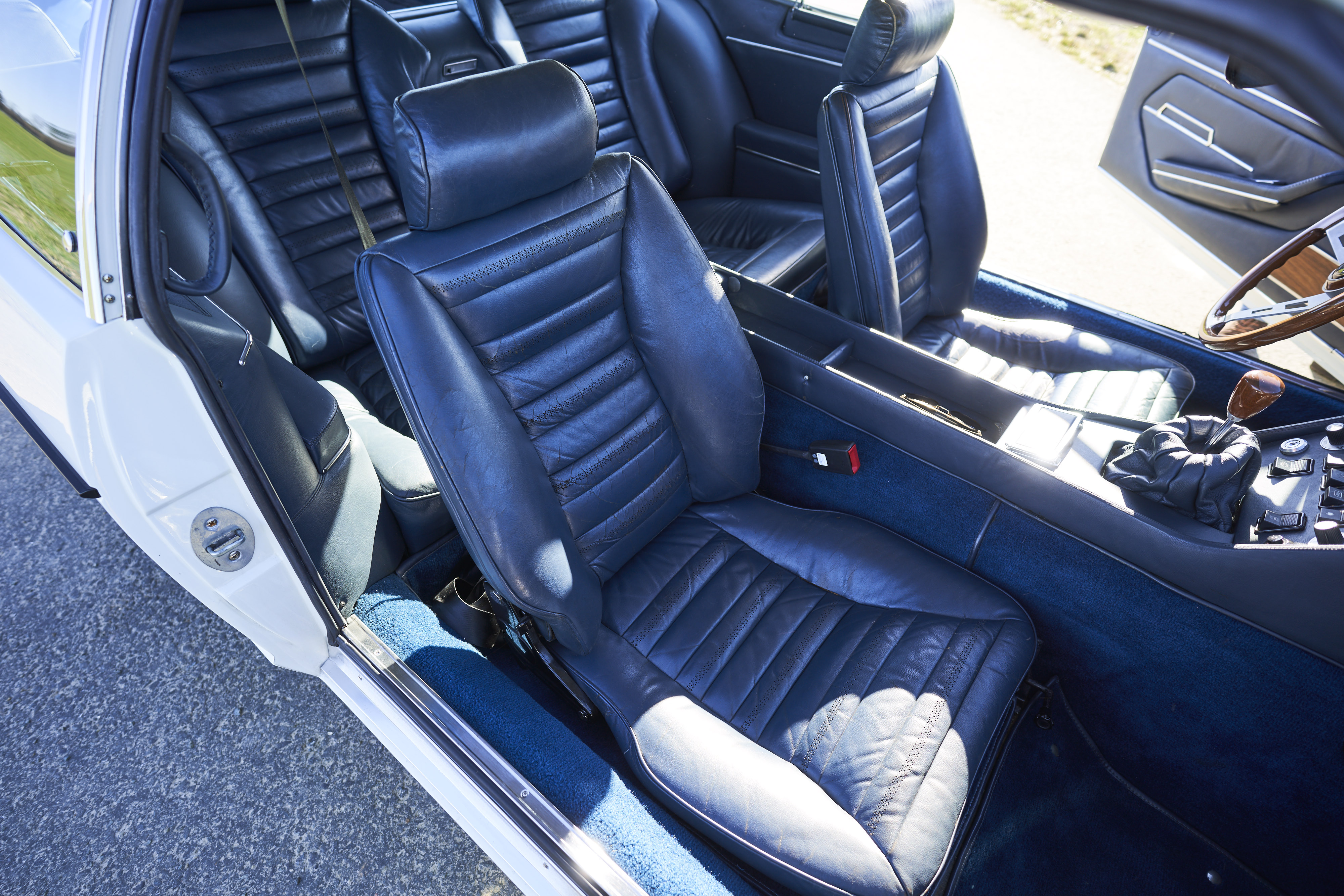
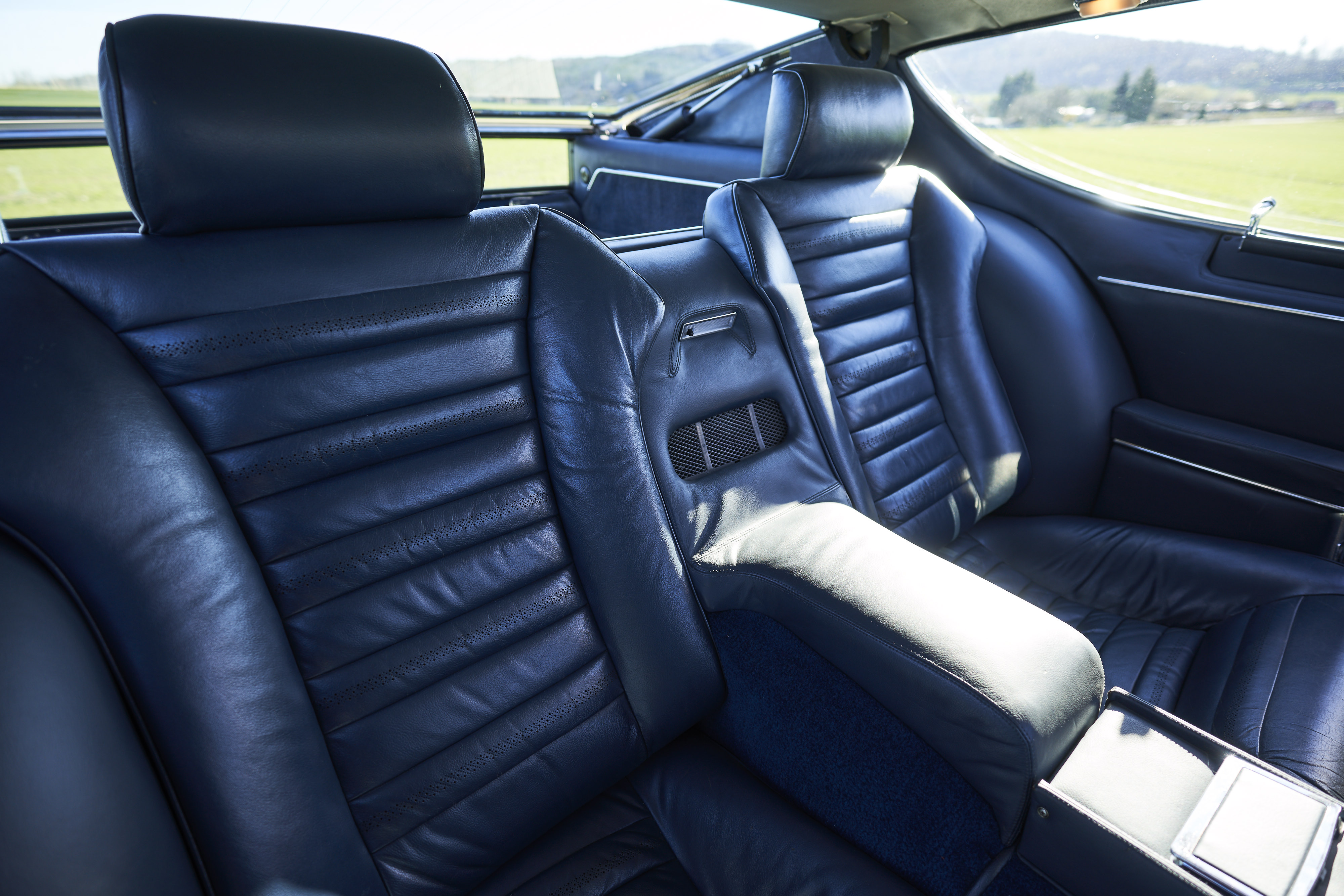
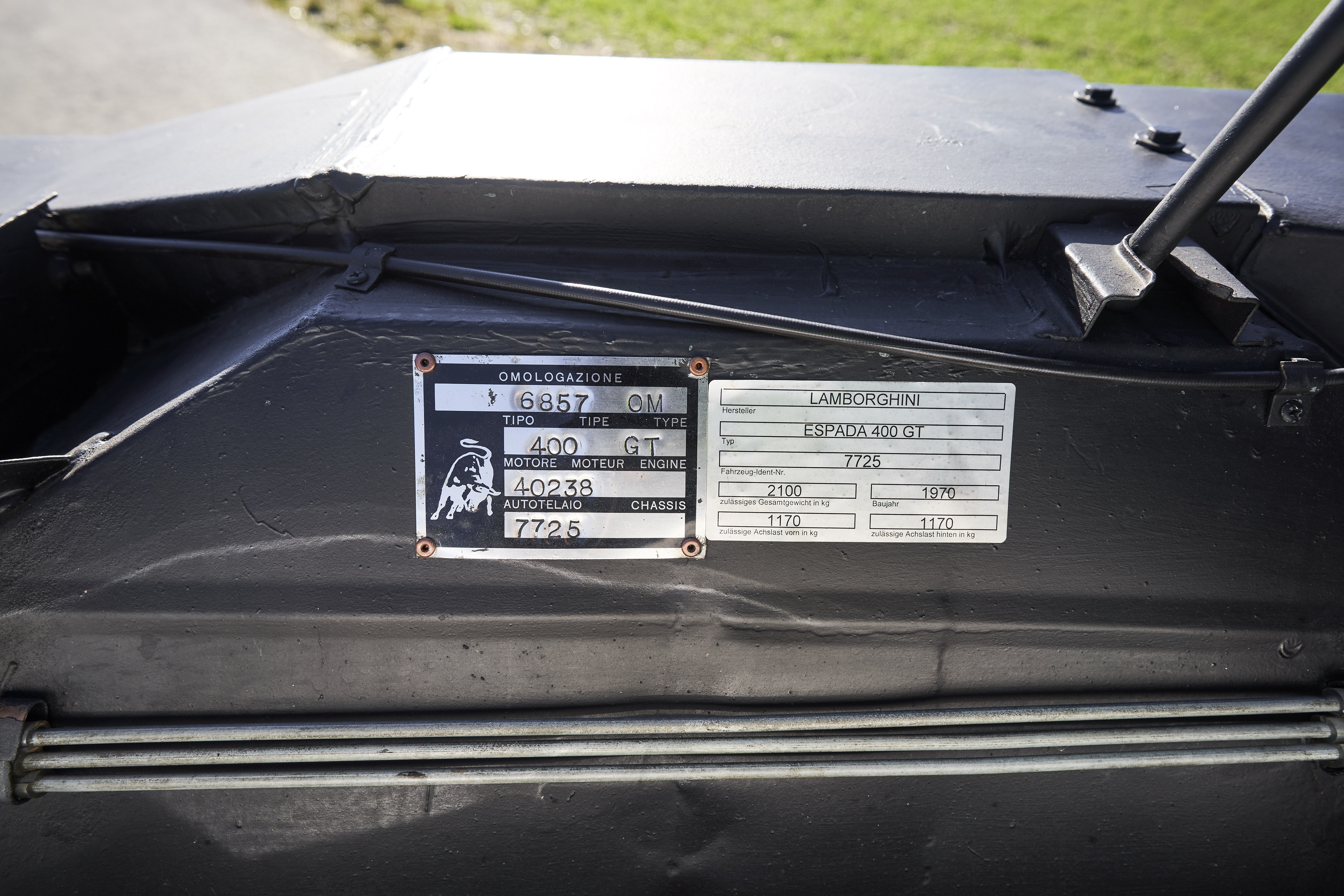
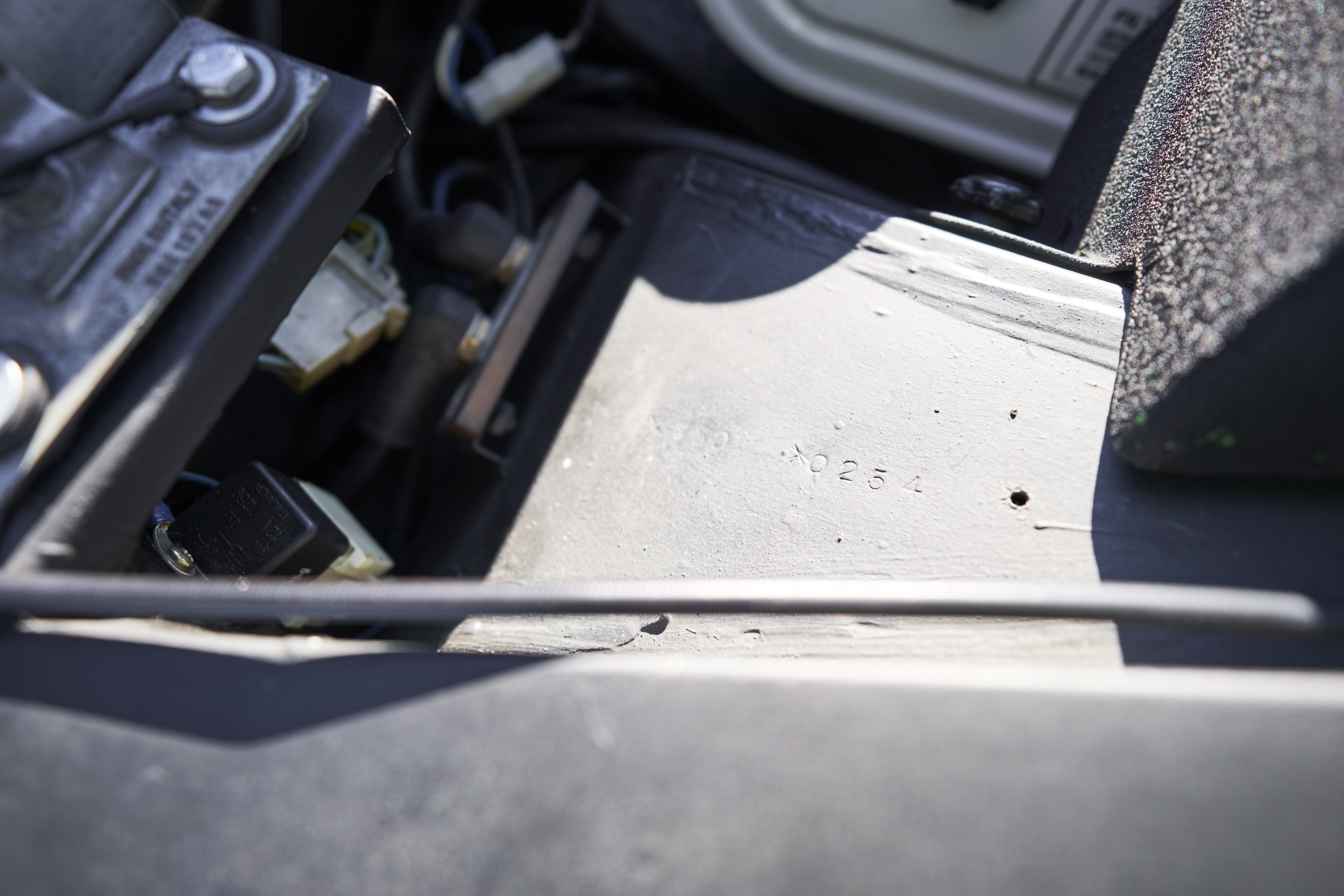
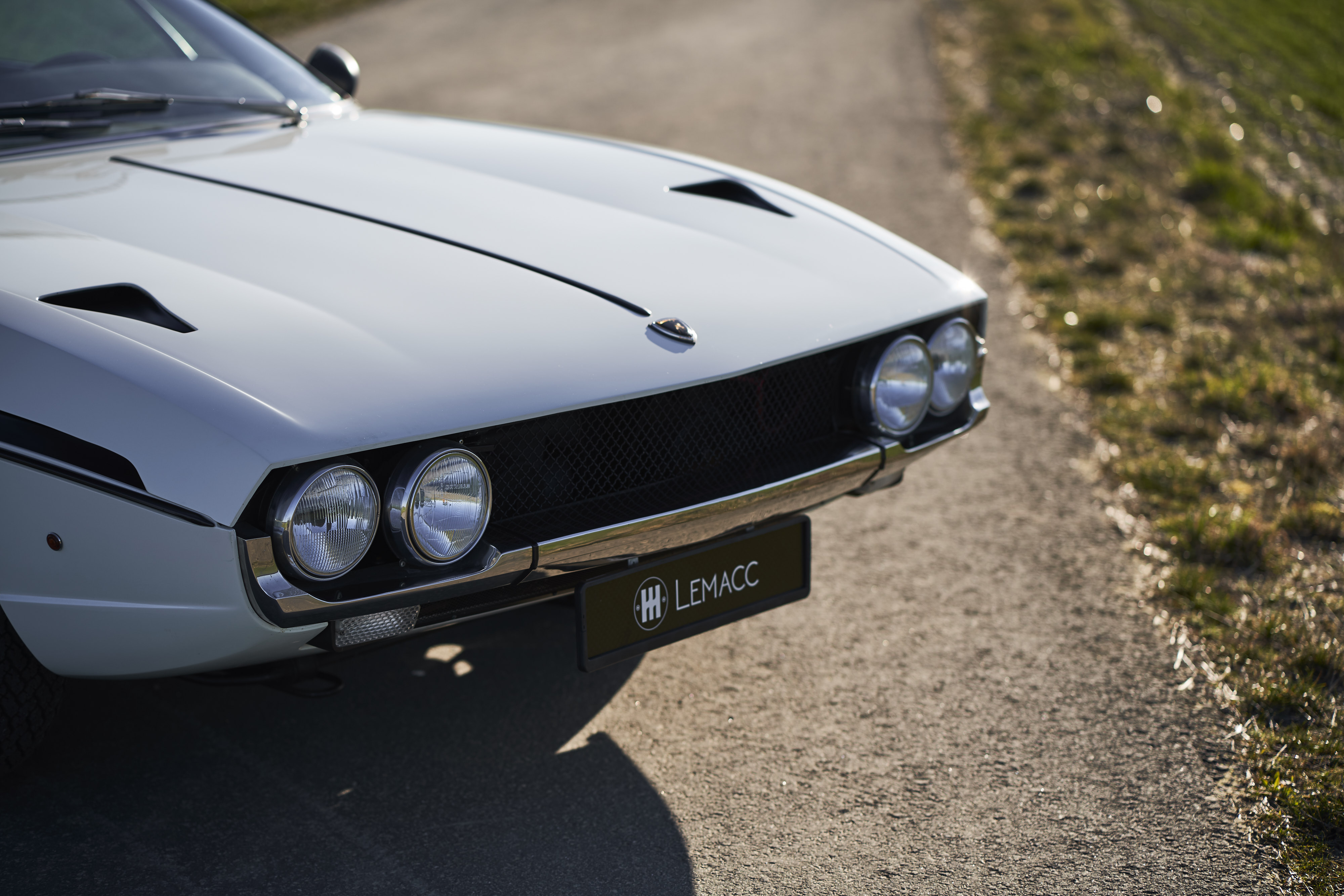
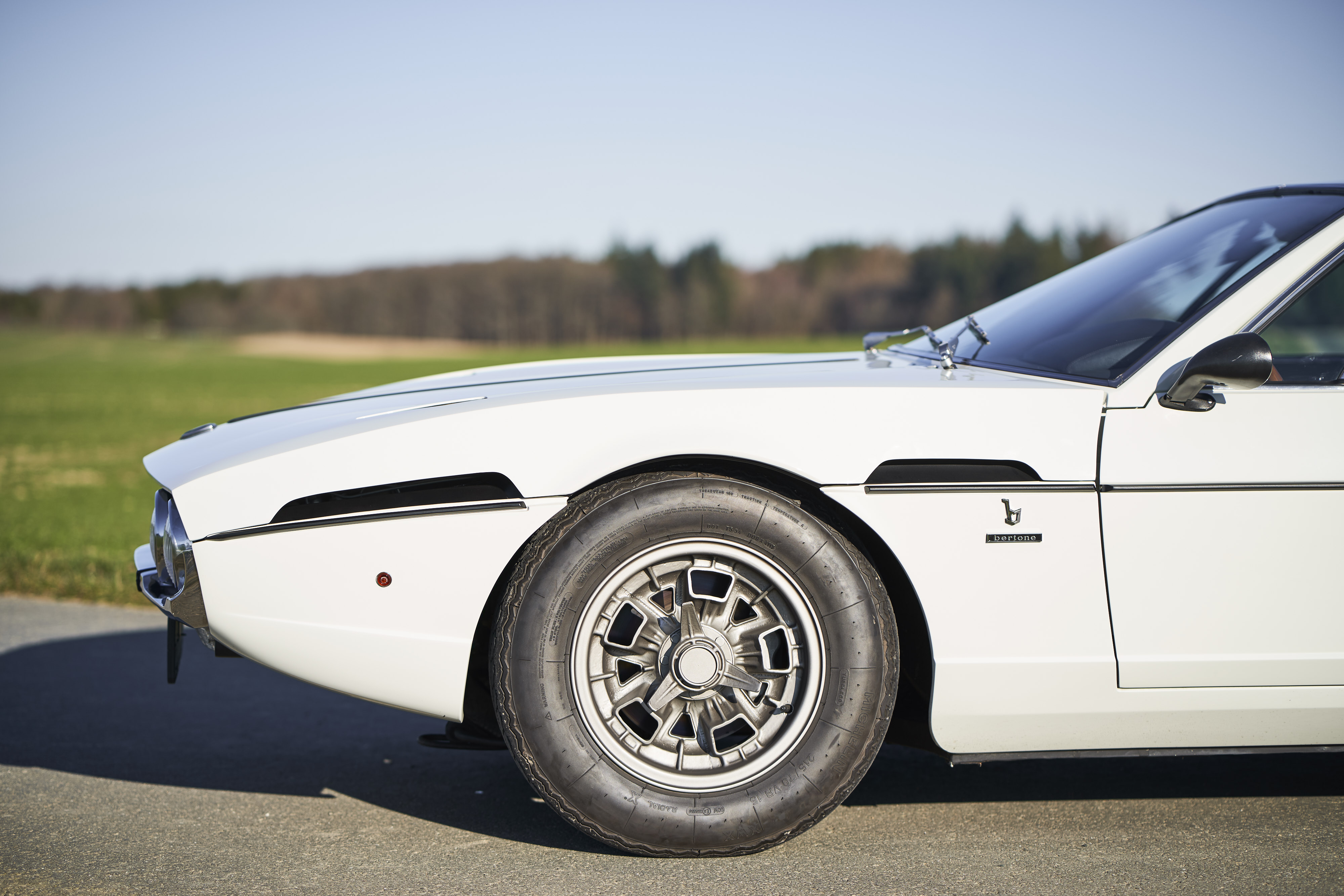
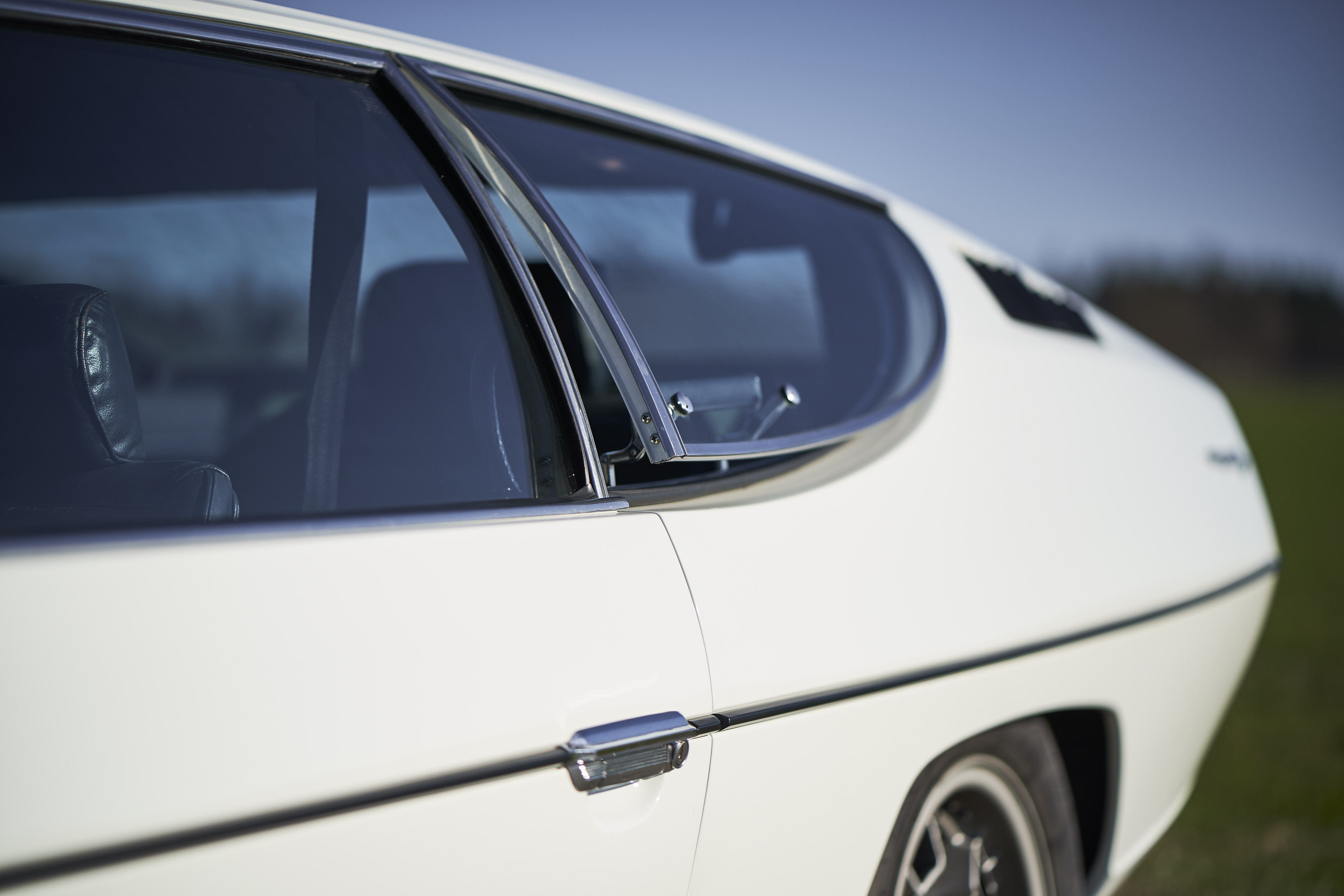
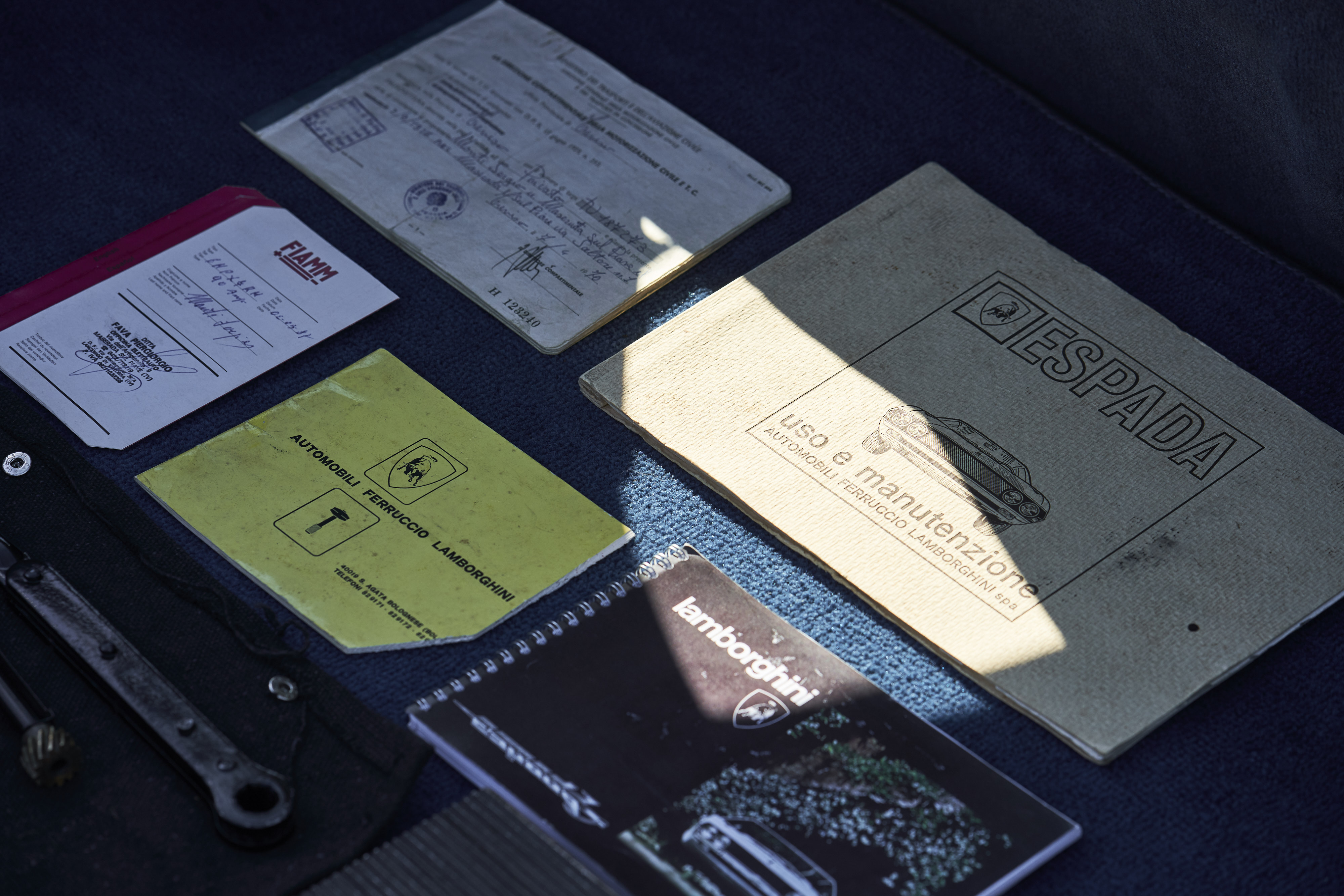
This particular Lamborghini Espada S2 #7725 was delivered from new Bianco with a Blu leather interior, just as you see it today. Purchased by the first owner in the province of Treviso, Italy, at a cost of 8,300,000 lire. It was registered in Italy as TV 187273. It is accompanied by its original Italian libretto, showing all the requisite ACI stamps and notations, illustrating that it remained well over four decades in the hands of the first owner. After the death of the first owner, the vehicle remained in family ownership before being sold to the current owner in October 2013.
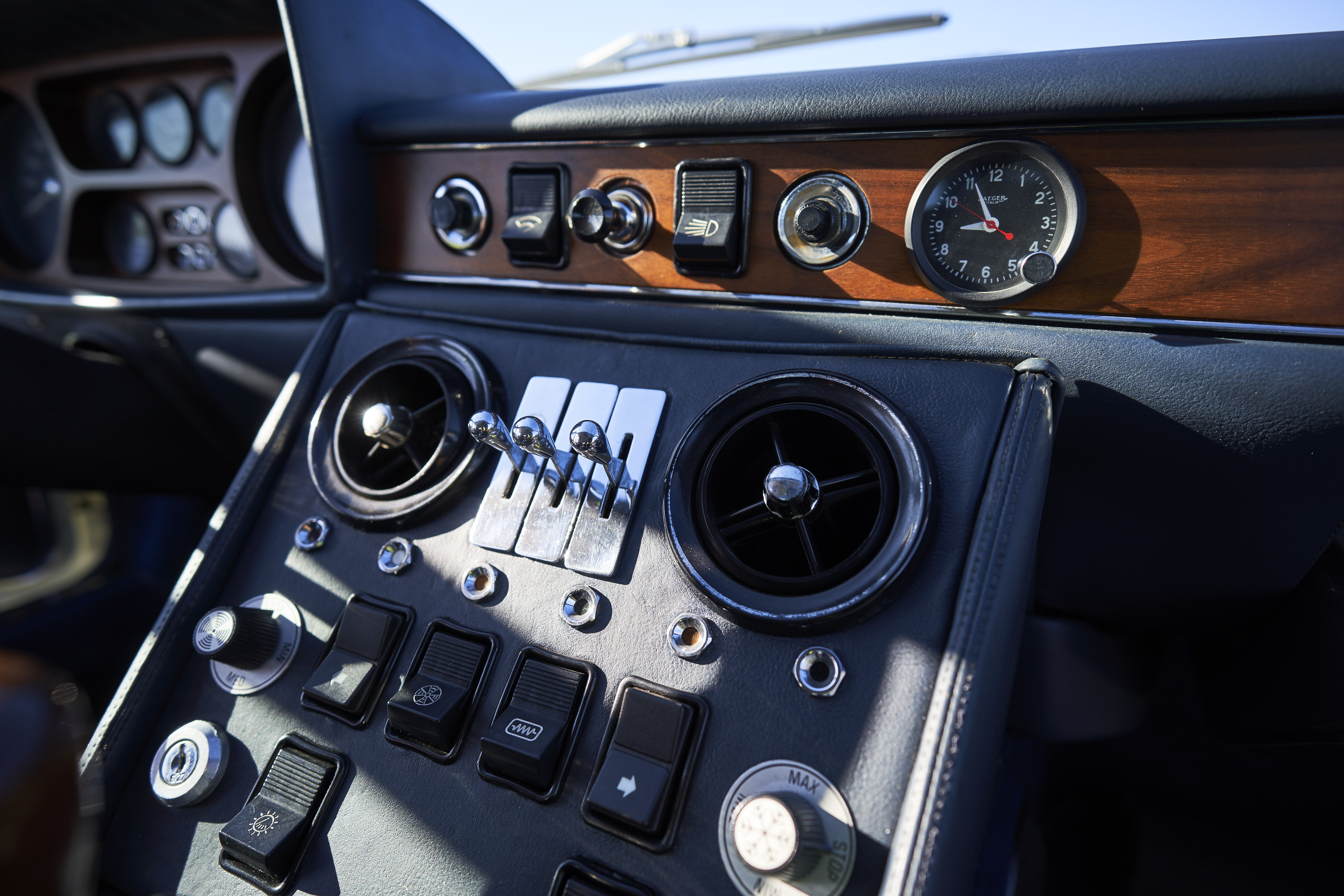
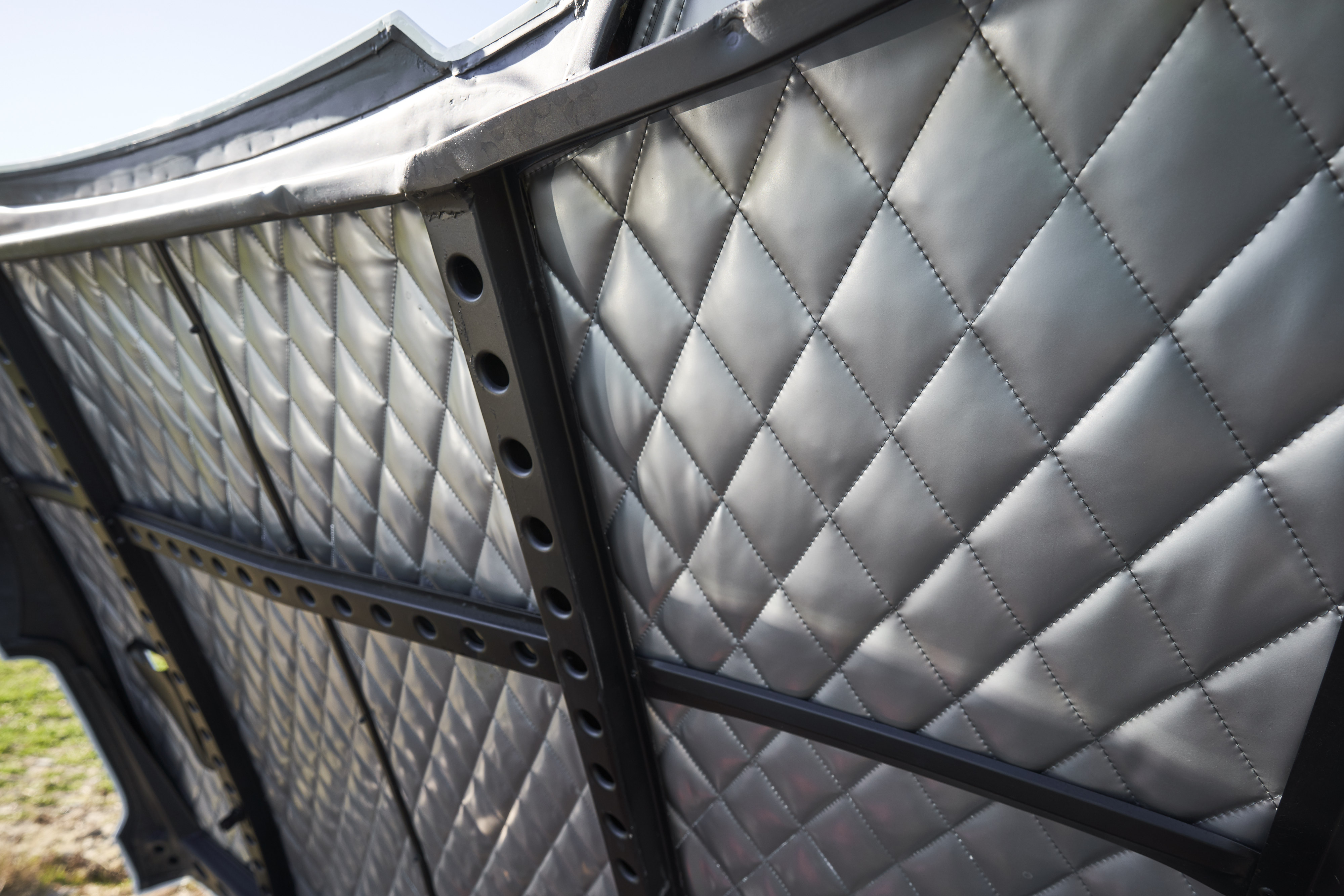
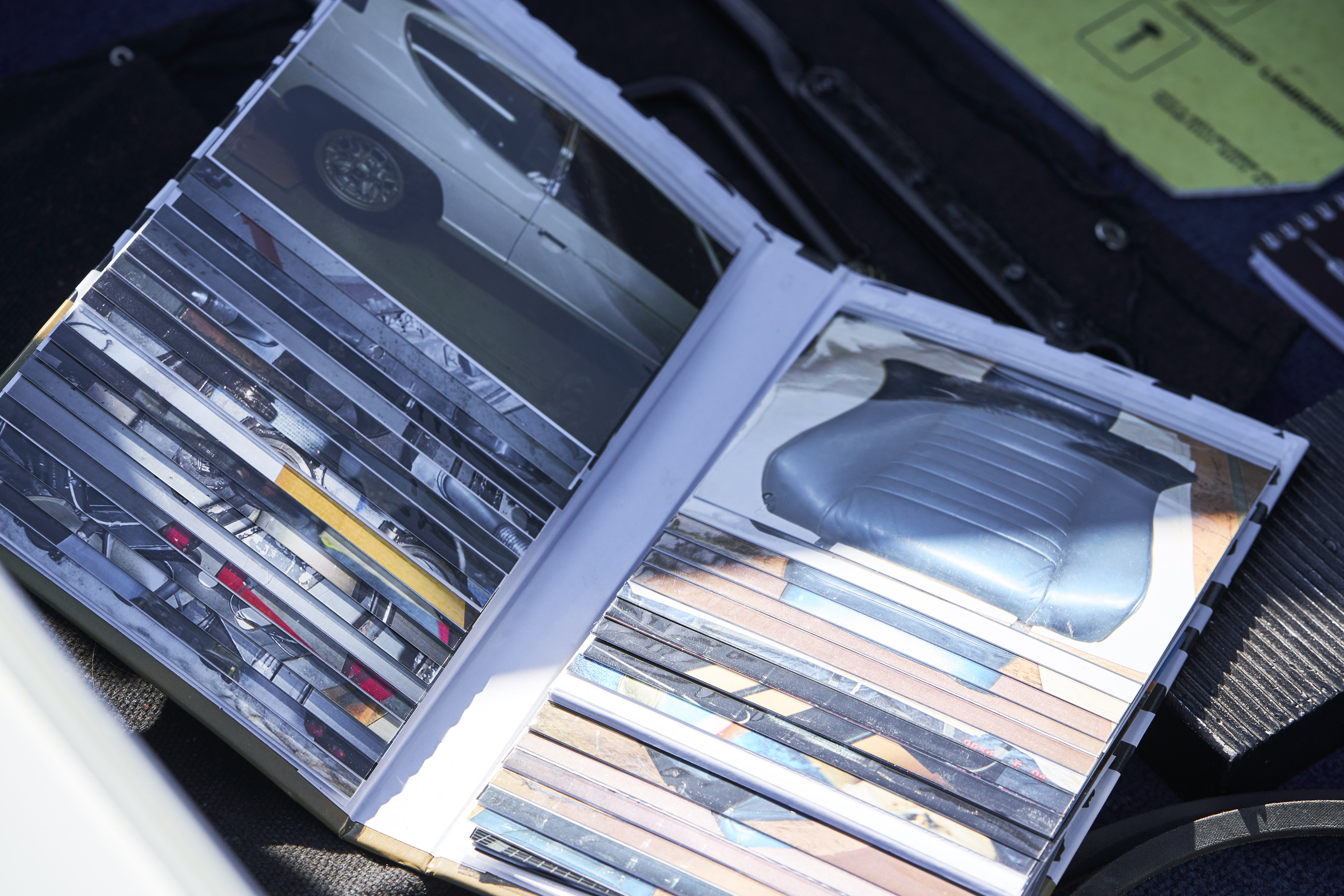
Since the car was rarely driven in the last years in the possession of the first owner, the current owner decided to have it restored completely but with an eye for originality. The work was carried out by a well-known German Lamborghini specialist. The body was sanded down to the sheet metal and the paint was rebuilt from scratch. All technical components were disassembled down to the last screw, cleaned, checked, reconditioned or replaced with original parts when required. The original leather trim of the car could be saved (with the foam underneath being replaced). As the leather was in excellent, well-preserved condition and showed an attractive and tangible degree of patina, it was carefully cleaned, re-stitched if necessary and then conserved for this truly exceptional vehicle. The car was also found to be exceptionally original before restoration and still had the original matching engine. All the work carried out is well documented with available invoices. A photo album of the restoration work also exists. In addition to the original Italian libretto mentioned above, the exceptionally rare original owners manual, tool kit and jack are included.
The sale is being conducted on behalf of the customer and is therefore a private sale. Lemacc is acting solely as an intermediary in this case.
At Lemacc, we specialise in brokering and selling supercars and classic cars. We would be happy to help you sell your vehicle on the best possible terms.
Testimonials
“I have known Leo since 2019, and during that time he has become not only my go-to person for Lamborghini, but also a really good friend. Whether it was about my Aventador or just for some good advice, Leo was always there and took the time to help me. It was through him that I discovered my passion for the Lamborghini Diablo.
I wasn't really a fan before. Today, the SE30 is one of my dream cars. His honesty, knowledge and friendship make him very special to me.”
-min-1.webp)
"Lemacc sets the benchmark when it comes to classic Lamborghinis, especially Diablos. Every car in their collection is handpicked with care, often including rare models and unique specifications that are impossible to find anywhere else.
The attention to detail, even in the smallest, often overlooked areas is truly exceptional."
“Leo is a true professional when it comes to classic luxury cars. From the very first conversation, I felt I was in excellent hands – both technically and personally. His expertise gave me complete confidence throughout the process, and his genuine approach made the experience not only smooth but also enjoyable.
Thanks to his guidance, I was able to make the investment in my dream car with peace of mind. I couldn’t imagine a better advisor for such an important decision.”
"An enthusiast of Lamborghini and classic cars in general. With a deep knowledge and a wide range of services, from sourcing cars, to help with the restoration. Lemacc does his best to satisfy the client's demand, and share his knowledge on very important details for the connoisseur drivers"
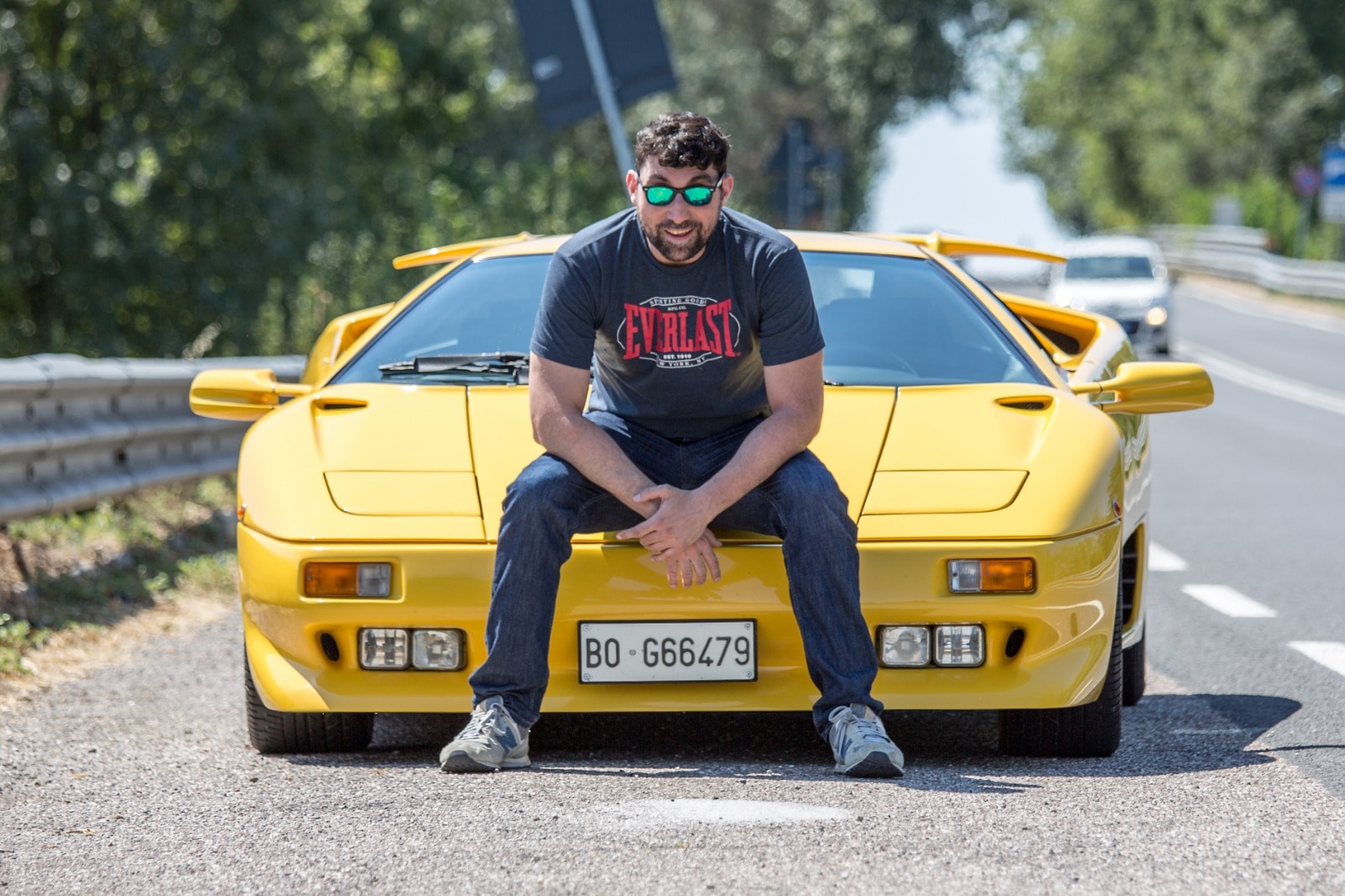
"Leo is the "Diablo man"
He knows these cars in every single detail, nut and bolt.
Do not esitate to contact him if you are looking to purchase or restore a Diablo!"


FAQ
How is Lemacc different from a traditional car dealer?

Lemacc grew out of a lifelong passion for classic cars, which we transformed into a professional expertise. Fully committed to this passion, we leverage our extensive brand-specific database to gain a significant knowledge advantage. Acting as independent consultants, we always represent the interests of the buyer or seller, ensuring that every decision is grounded in expert knowledge.
We act as an independent consultant, always on the side of the buyer or seller, and ensure that every decision is based on expert knowledge.
What kind of vehicles does Lemacc specialize in?
We focus on rare and classic sports cars with collector value, particularly models from brands such as Bugatti, Ferrari, Pagani, Porsche, but mainly vintage Lamborghinis.
Can Lemacc help me find a specific car?
Yes. Through our international network and archive, we can locate rare vehicles that are often not available on the open market. We also verify condition, pricing and provenance.
What does the consultation process include?
You receive a detailed assessment of the vehicle’s condition, value potential, and history. We also guide you through restoration decisions, price negotiation and market timing.
What is the commission for buying or selling a car through Lemacc?
The commission for buying or selling a vehicle through Lemacc is calculated as a percentage of the vehicle’s value and depends on the complexity of the transaction and the services required.
We provide full transparency upfront, so our clients are always informed about the fees before proceeding.
Why is originality so important in classic cars?
Original components and patina preserve the vehicle’s story and long-term value. Over-restored vehicles often lose historical authenticity and future appreciation potential.
How does the selling process work with Lemacc?
We evaluate your car, manage professional presentation, and choose the right sales channel – whether private sale, auction or discreet off-market transaction.
Who handles international transport?
We coordinate the entire logistics process for international purchases. From secure shipping and customs clearance to delivery at your location, we manage every step with trusted partners, ensuring your vehicle arrives safely and in perfect condition.